February 17, 2026 Modern Rails applications rarely fail because of authentication — they fail because of authorization complexity. As products grow, roles multiply, exceptions accumulate, and permission checks scatter across controllers, models, views, and frontend code. What begins as a simple current_user.admin? quickly becomes an unmaintainable web of implicit rules. At Kaigi on Rails 2025, … Continue reading Stop Checking admin?: Designing Authorization That Won’t Become Technical Debt (Kaigi on Rails 2025)

Category: Software Development
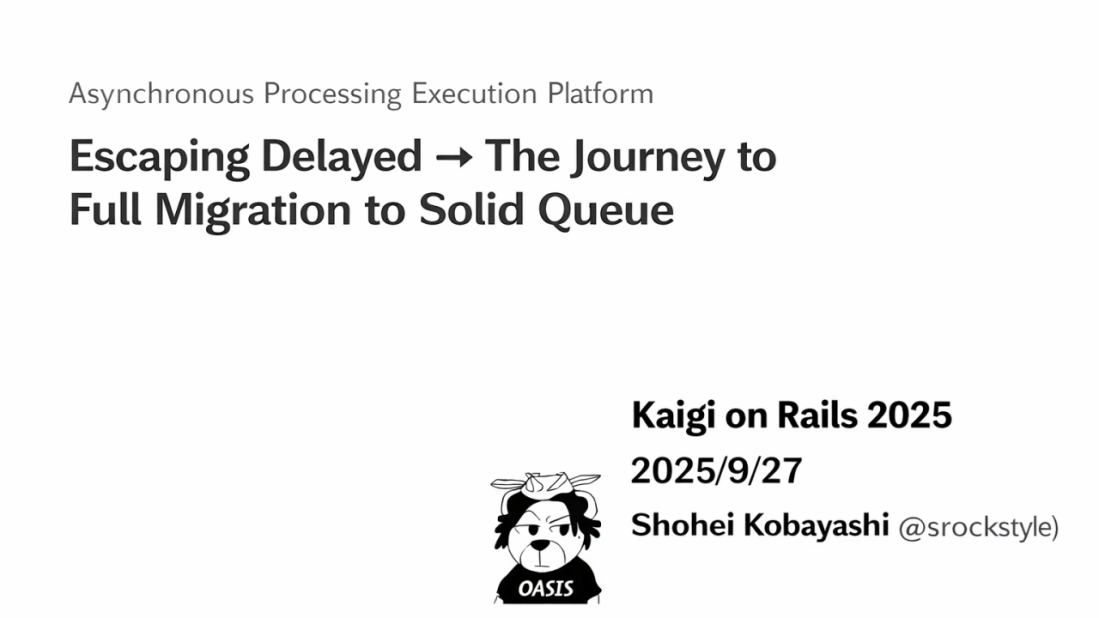
From Delayed Job to Solid Queue: How a 10-Year Rails App Finally Achieved Linear Scaling
From Delayed Job to Solid Queue: How a 10-Year Rails App Finally Achieved Linear Scaling February 16, 2026 Lessons from Kaigi on Rails 2025 — Shohei Kobayashi Built for Ruby on Rails Build Maps WithoutGoogle APIs Generate beautiful production-ready maps directly from your Rails backend. Fast rendering, zero external dependencies, full control. View Live Demo … Continue reading From Delayed Job to Solid Queue: How a 10-Year Rails App Finally Achieved Linear Scaling
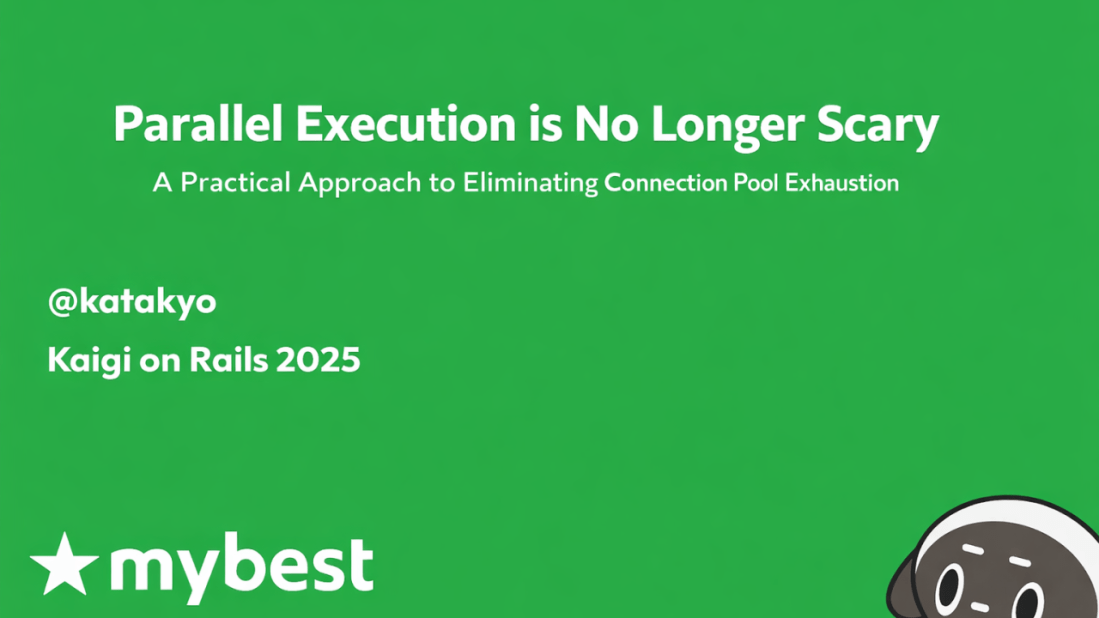
Designing Safe Parallelism in Rails
Designing Safe Parallelism in Rails February 12, 2026 Eliminating Connection Pool Exhaustion in Production At Kaigi on Rails 2025, 片田 恭平 (@katakyo) delivered a deeply practical talk titled: “もう並列実行は怖くない — コネクション枯渇解消のための実践的アプローチ” (“Parallel Execution Is No Longer Scary — A Practical Approach to Eliminating Connection Pool Exhaustion”) もう並列実行は怖くない__コネクション枯渇解消のための実践的ア… This session explored a real-world scaling problem inside … Continue reading Designing Safe Parallelism in Rails
Rails Meets PostgreSQL 18
February 11, 2026 Compatibility, Protocol Changes, and Virtual Generated Columns in Rails 8.1 At Kaigi on Rails 2025, Rails Committer Yasuo Honda delivered a deep technical walkthrough titled: Rails meets PostgreSQL 18 PostgreSQL 18 was officially released on September 25, 2025, and the talk explains how Rails adapts — not just at the marketing level, … Continue reading Rails Meets PostgreSQL 18
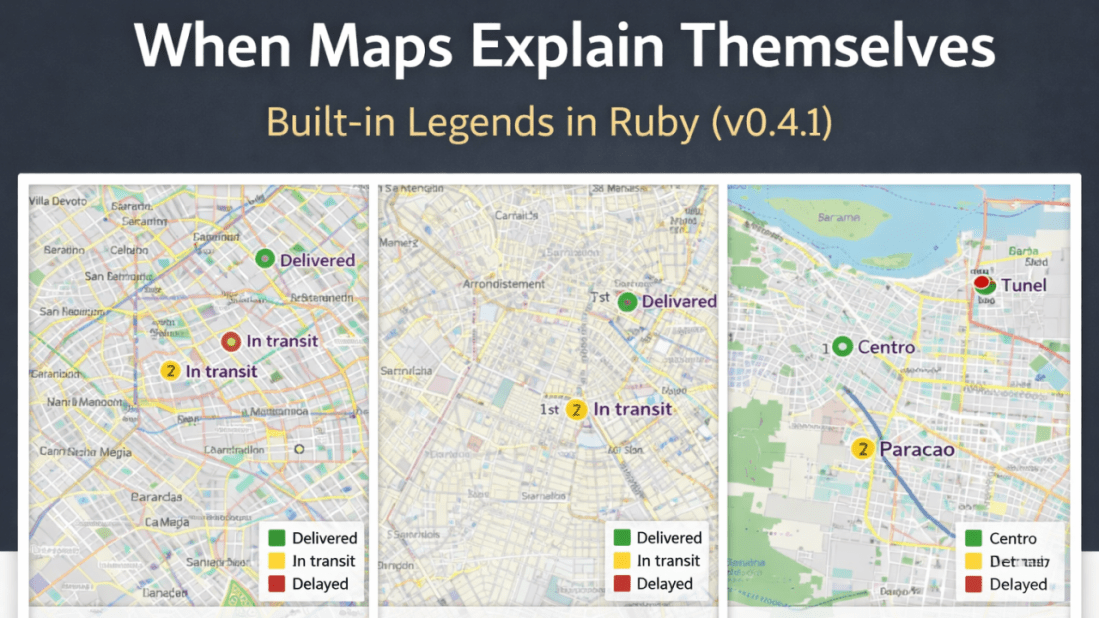
When Maps Explain Themselves: Legends, Style, and Finished Images in Ruby
February 10, 2026 Introduction libgd-gis now supports legends, introducing a fundamental building block in map communication. With the release of v0.4.1, legends become a first-class feature of the rendering pipeline, pushing the library one step closer to covering the essential capabilities expected from a modern GIS engine. Legends are not just a visual accessory. They … Continue reading When Maps Explain Themselves: Legends, Style, and Finished Images in Ruby
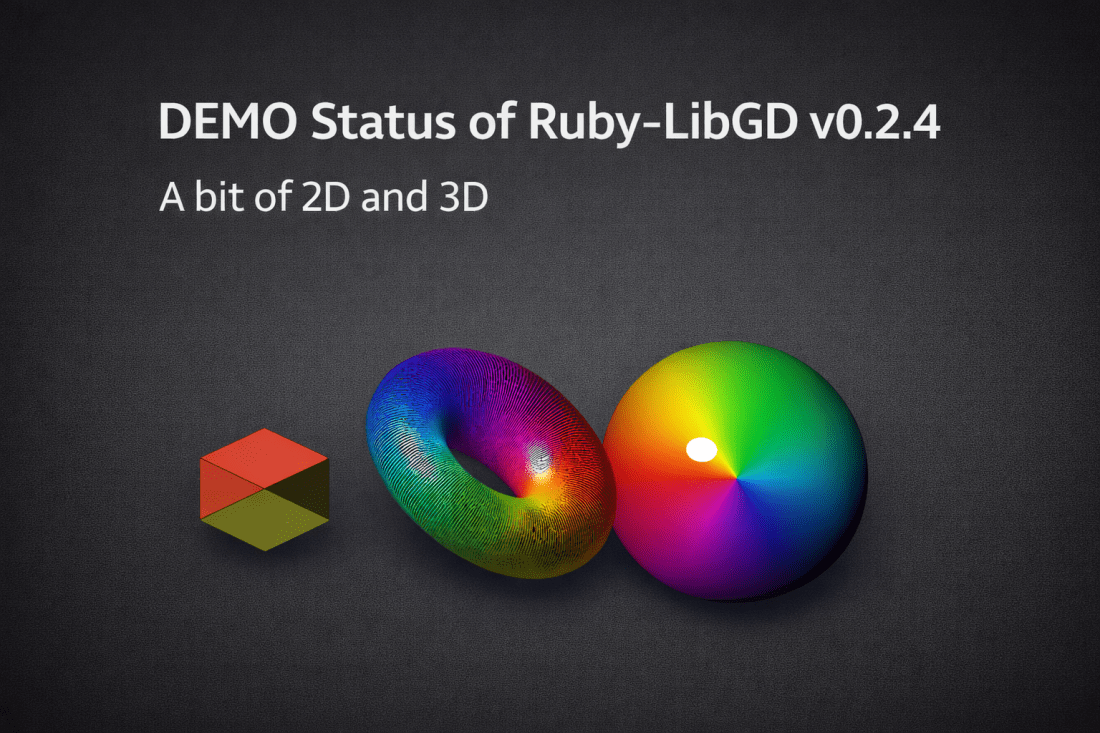
A quick DEMO of Ruby-LibGD v0.2.4.
Scan to try 🎯 Live Demo Available Introducing MapView Render beautiful, production-ready maps directly from your Ruby backend. No external APIs. No dependencies. Just pure speed and control. ✓ Zero external dependencies ✓ Lightning-fast rendering ✓ Production-ready & battle-tested Try the Live Demo → Read Docs Not a tutorial, not a benchmark — just experimenting … Continue reading A quick DEMO of Ruby-LibGD v0.2.4.
Tackling Inevitable I/O Latency in Rails
February 6, 2026 Lessons from Kaigi on Rails 2025 on SSE and Async Modern Rails applications increasingly depend on external systems: third-party APIs, background services, data pipelines, and—more recently—AI and LLM inference. While Rails itself continues to evolve in performance and concurrency, I/O latency remains largely unavoidable in many real-world scenarios. At Kaigi on Rails … Continue reading Tackling Inevitable I/O Latency in Rails
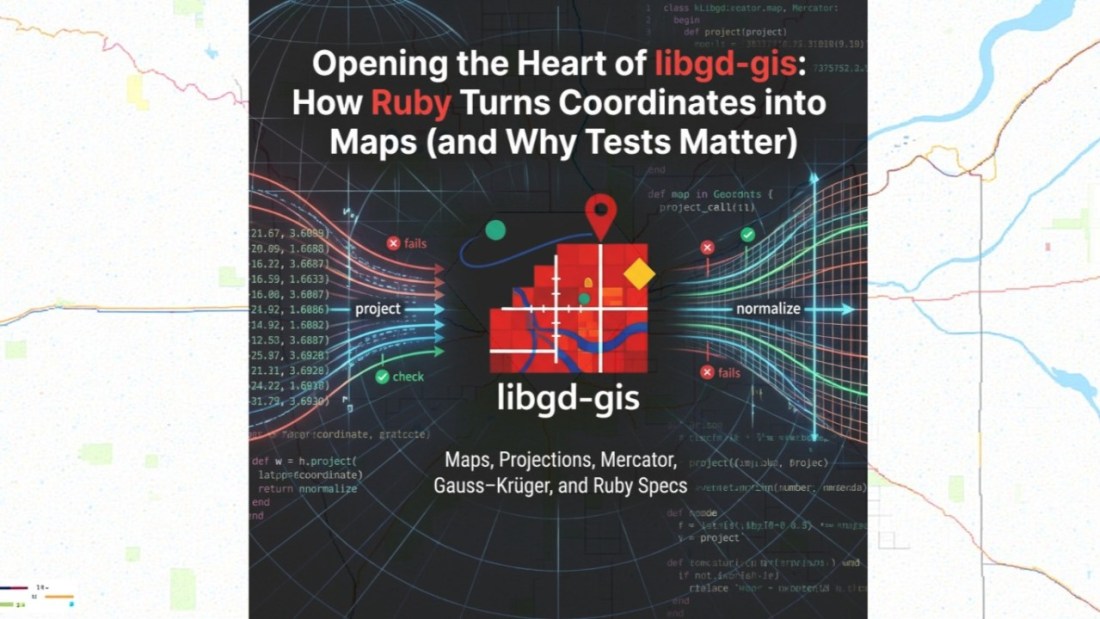
Opening the Heart of libgd-gis
Opening the Heart of libgd-gis February 3, 2026 How Ruby Turns Coordinates into Maps (and Why Tests Matter) Maps look simple on the surface. You give them coordinates. They give you an image. But anyone who has gone even slightly deeper knows that coordinates are never just numbers. They are context. They are assumptions. They … Continue reading Opening the Heart of libgd-gis
Rendering Incremental Points on Maps with Ruby and Rails
Rendering Incremental Points on Maps with Ruby and Rails January 30, 2026 When working with maps in Ruby or Ruby on Rails applications, most solutions assume that all geospatial data must be prepared upfront — usually as GeoJSON layers. While this works well for static datasets, it becomes inefficient when dealing with event-driven data such … Continue reading Rendering Incremental Points on Maps with Ruby and Rails
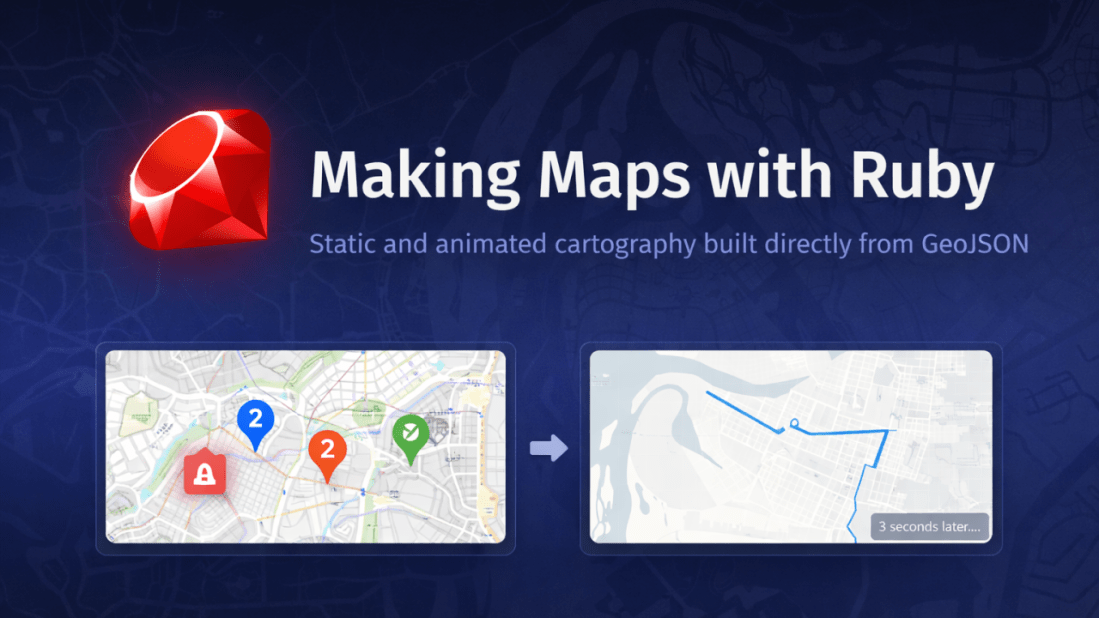
Making Maps with Ruby
Making Maps with Ruby January 29, 2026 Static and animated cartography built directly from GeoJSON For a long time, generating maps from code meant working inside heavy ecosystems designed primarily for analysis. Those tools are powerful, but they are not always the right fit. In many practical scenarios, the problem is simpler and more concrete: … Continue reading Making Maps with Ruby