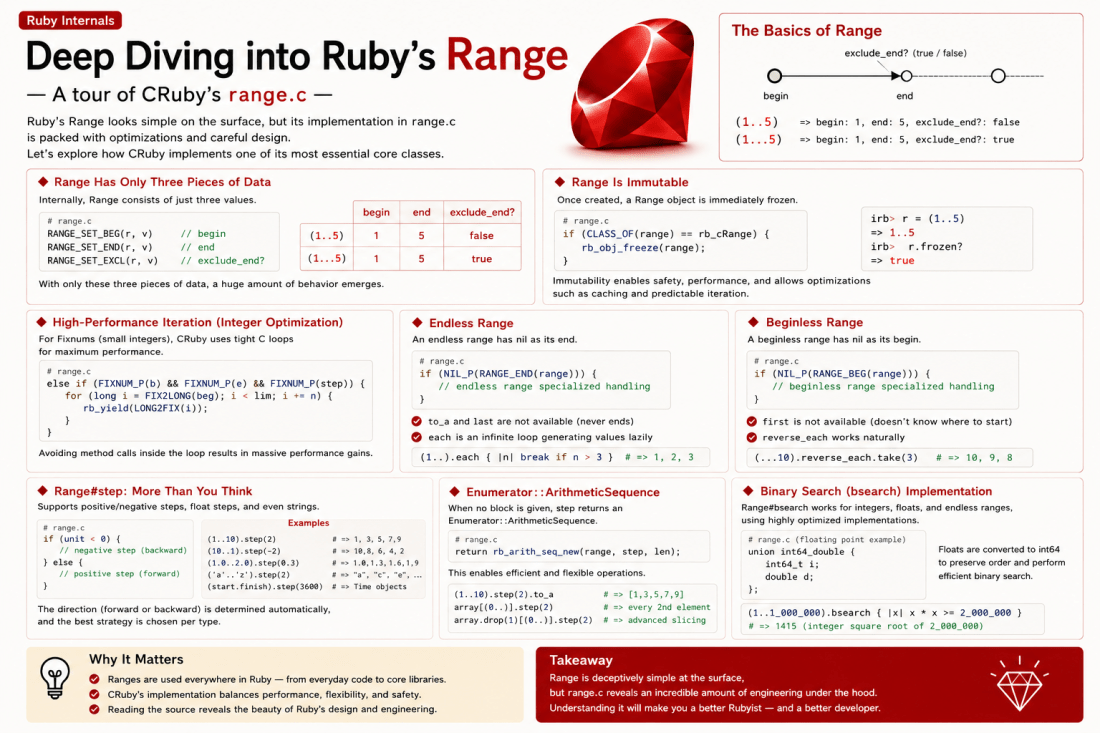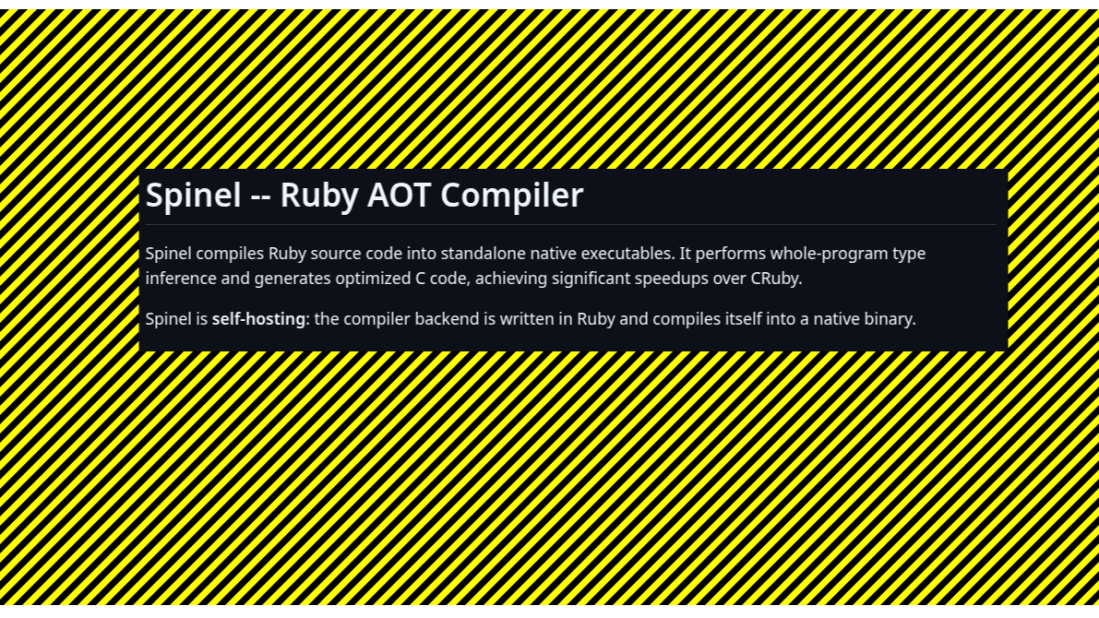
Spinel: A Different Direction for Ruby Performance

Spinel: A Different Direction for Ruby Performance April 27, 2026 Built for Ruby on Rails Build Maps WithoutGoogle APIs Generate beautiful production-ready maps directly from your Rails backend. Fast rendering, zero external dependencies, full control. View Live Demo β†’ Read Docs βœ“ No API fees βœ“ Self-hosted βœ“ Rails Native βœ“ Fast Rendering Why developers … Continue reading Spinel: A Different Direction for Ruby Performance

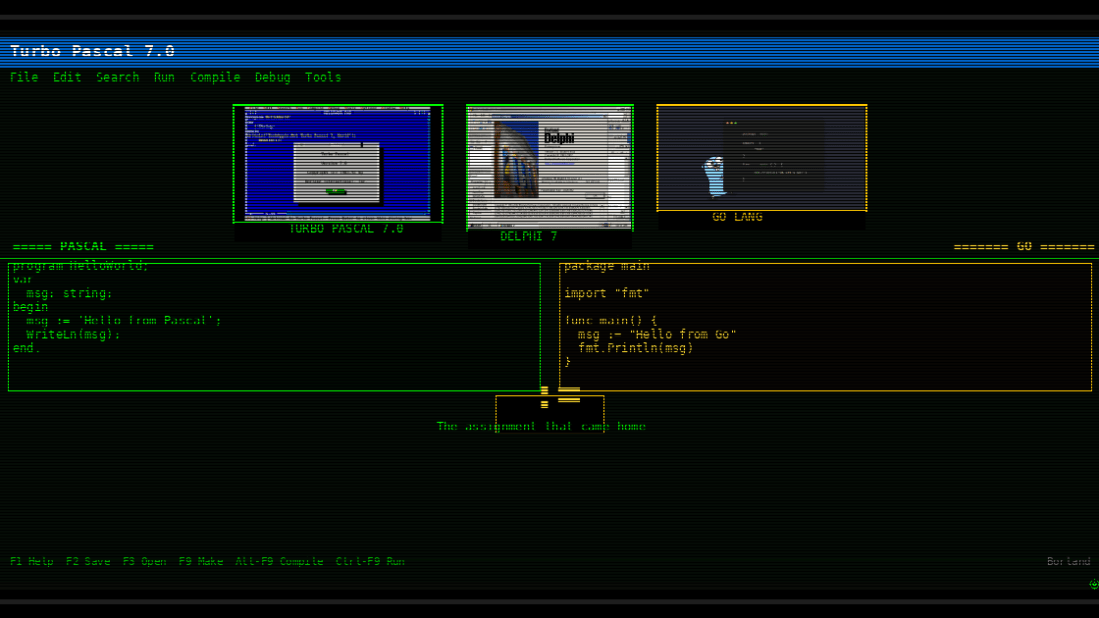
From := to :=: How Go Brought Me Back to My Pascal and Delphi Days

From := to :=: How Go Brought Me Back to My Pascal and Delphi Days March 31, 2026 πŸš€ See the LIVE DEMO in action MapView Render maps directly from your backend no external APIs required. Fast, controlled, and production-ready. Try the demo β†’ It happened on a Tuesday. I was writing a small microservice … Continue reading From := to :=: How Go Brought Me Back to My Pascal and Delphi Days

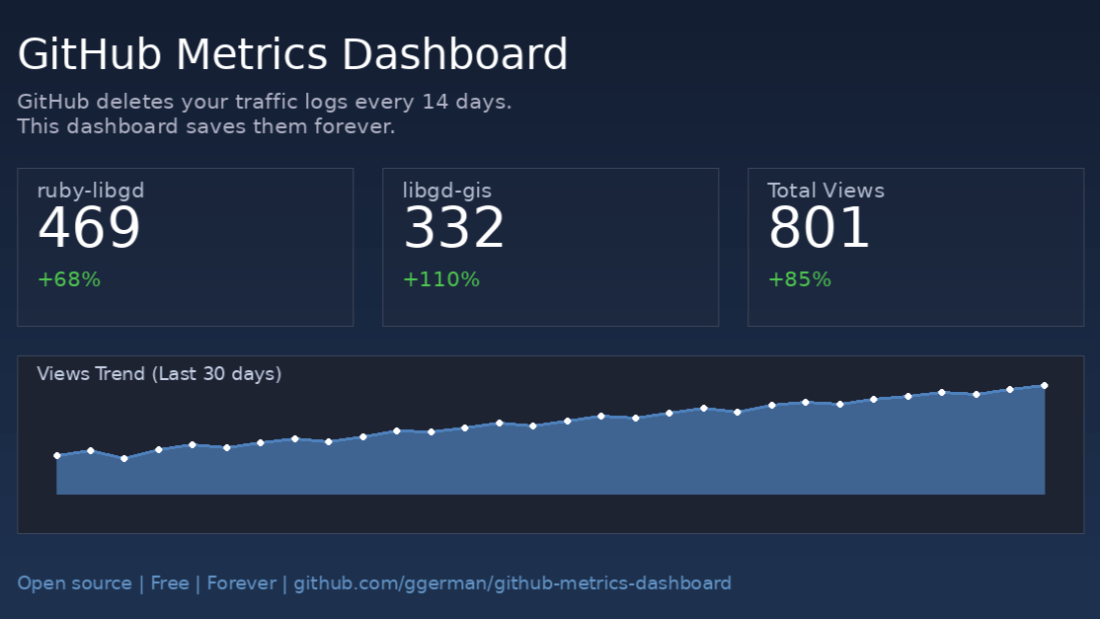
GitHub Deletes Your Traffic Logs Every 14 Days. Here’s How to Stop That with Ruby

GitHub Deletes Your Traffic Logs Every 14 Days. Here's How to Stop That with Ruby March 30, 2026 πŸš€ See the LIVE DEMO in action MapView Render maps directly from your backend no external APIs required. Fast, controlled, and production-ready. Try the demo β†’ Motivation: I didn't want to lose the metrics for ruby-libgd and … Continue reading GitHub Deletes Your Traffic Logs Every 14 Days. Here’s How to Stop That with Ruby

FFI: How Ruby Talks to C

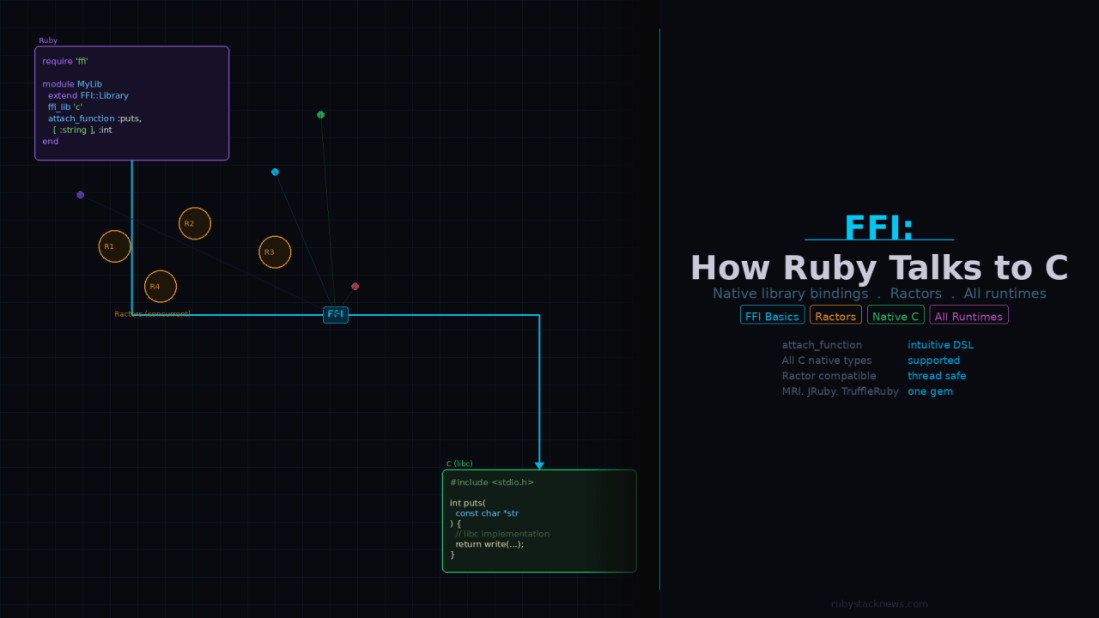
March 25, 2026 Published on RubyStackNews Scan to try 🎯 Live Demo Available Introducing MapView Render beautiful, production-ready maps directly from your Ruby backend. No external APIs. No dependencies. Just pure speed and control. βœ“ Zero external dependencies βœ“ Lightning-fast rendering βœ“ Production-ready & battle-tested Try the Live Demo β†’ Read Docs Ruby is a … Continue reading FFI: How Ruby Talks to C

Writing Ruby Bindings for C Libraries

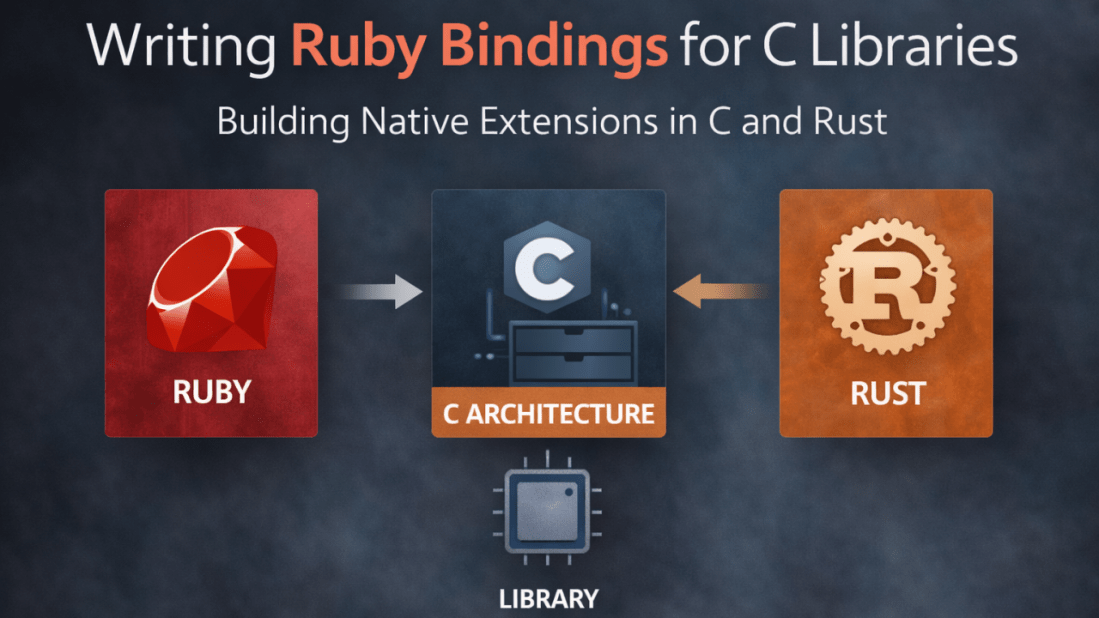
Writing Ruby Bindings for C Libraries March 4, 2026 Building Native Extensions with C (and Rust) Ruby is known for its productivity and elegant syntax, but sometimes performance-critical tasks require lower-level languages. Fortunately, Ruby provides a powerful mechanism called C extensions, allowing Ruby code to call native C functions directly. This approach enables Ruby developers … Continue reading Writing Ruby Bindings for C Libraries

πŸ‡―πŸ‡΅ Kaigi 2026 Is Approaching β€” Why the Global Ruby Community Should Pay Close Attention

Kaigi 2026 Is Approaching β€” Why the Global Ruby Community Should Pay Close Attention March 2, 2026 Scan to try 🎯 Live Demo Available Introducing MapView Render beautiful, production-ready maps directly from your Ruby backend. No external APIs. No dependencies. Just pure speed and control. βœ“ Zero external dependencies βœ“ Lightning-fast rendering βœ“ Production-ready & … Continue reading πŸ‡―πŸ‡΅ Kaigi 2026 Is Approaching β€” Why the Global Ruby Community Should Pay Close Attention

Making Maps with Ruby

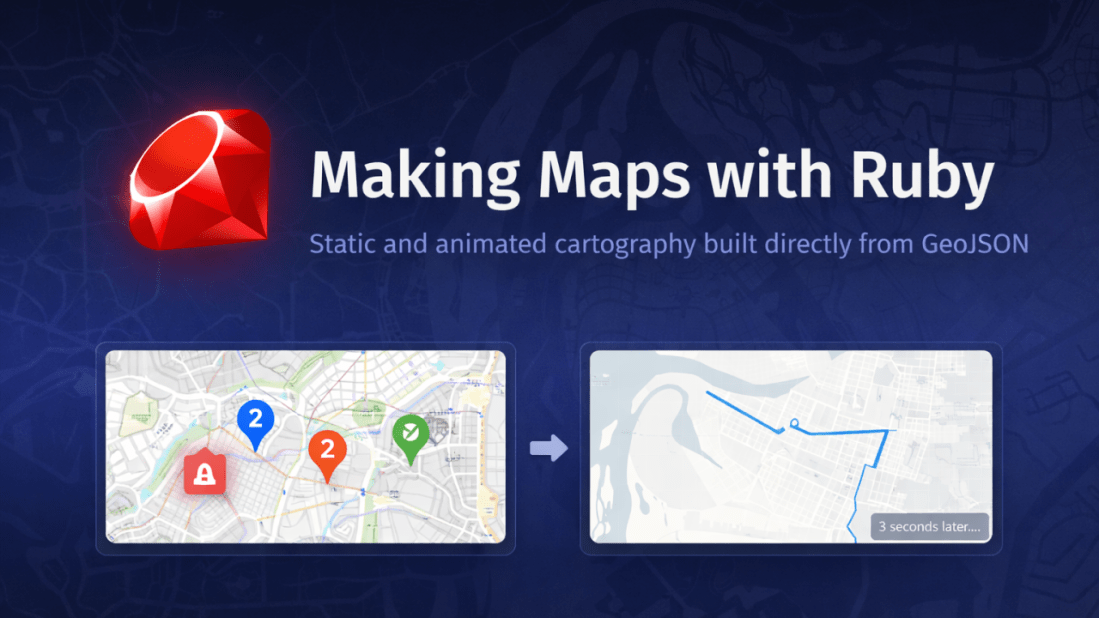
Making Maps with Ruby January 29, 2026 Static and animated cartography built directly from GeoJSON For a long time, generating maps from code meant working inside heavy ecosystems designed primarily for analysis. Those tools are powerful, but they are not always the right fit. In many practical scenarios, the problem is simpler and more concrete: … Continue reading Making Maps with Ruby

libgd-gis moves into serious cartography territory

January 13, 2026 Rivers of Europe and Entre RΓ­os rendered directly in Ruby Today marks a major milestone for libgd-gis: we crossed from β€œexperimental map renderer” into a real GIS-grade drawing engine. Using nothing but Ruby + libgd, we are now able to render continent-scale river networks, provincial hydrology, and complex GeoJSON layers with proper … Continue reading libgd-gis moves into serious cartography territory

Ruby just got a real sepia filter

January 6, 2026 Why ruby-libgd is becoming Ruby’s new graphics engine Yesterday something important happened in the Ruby ecosystem. I added a native sepia filter to ruby-libgd β€” Ruby’s new binding to the GD Graphics Library β€” and with it Ruby took another step toward regaining something it quietly lost over the last decade: a … Continue reading Ruby just got a real sepia filter

Rebuilding Ruby’s Image Processing Layer: Why ruby-libgd Matters for GIS and the Future of Ruby

Ruby on Rails Developer | Ruby, Backend January 2, 2026 In late 2025, during a RubyConf presentation about disaster-response systems, an uncomfortable truth was stated publicly: Generating map tiles and images on the server is difficult in Ruby. RMagick and MiniMagick were too slow. ruby-gd is used, but it is poorly maintained. This was not … Continue reading Rebuilding Ruby’s Image Processing Layer: Why ruby-libgd Matters for GIS and the Future of Ruby