🌍 Rendering Maps by Name: Symbolic Geographic Extents in Ruby
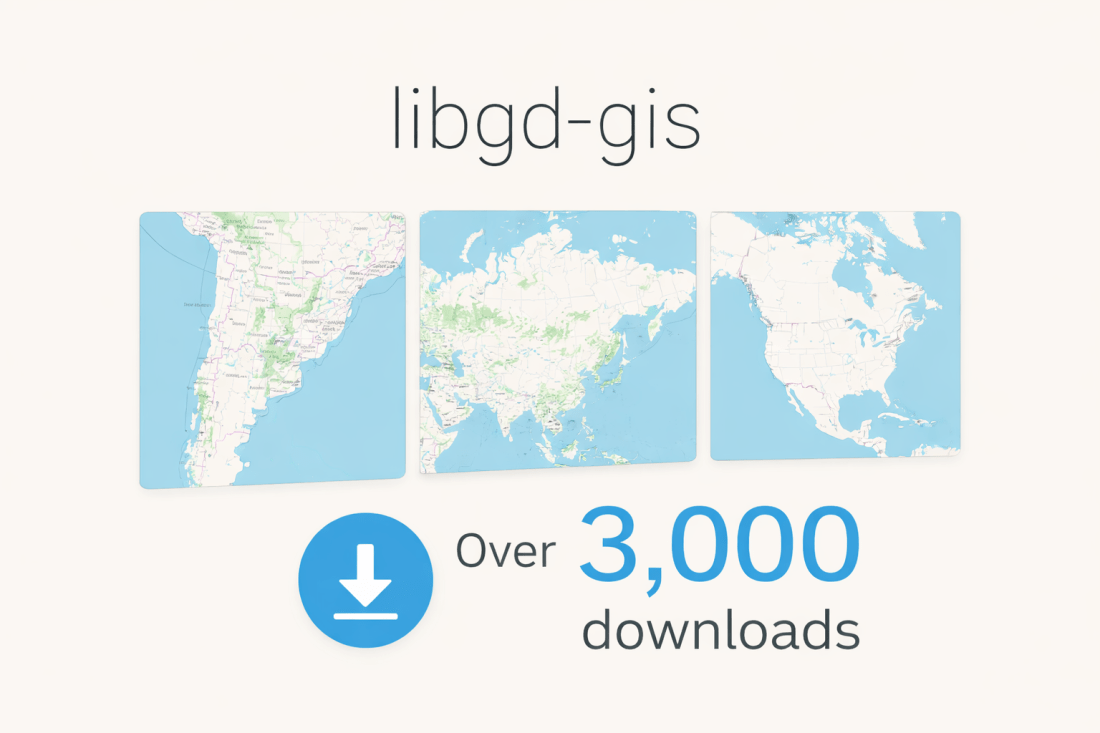
Working with maps usually means working with numbers β€” lots of numbers. If you want to render a map of a country, region, or continent, you normally need to know its exact bounding box: bbox = [-73.6, -55.1, -53.6, -21.7] # Argentina Not exactly readable. Not memorable. Not friendly. What if you could just say: … Continue reading 🌍 Rendering Maps by Name: Symbolic Geographic Extents in Ruby
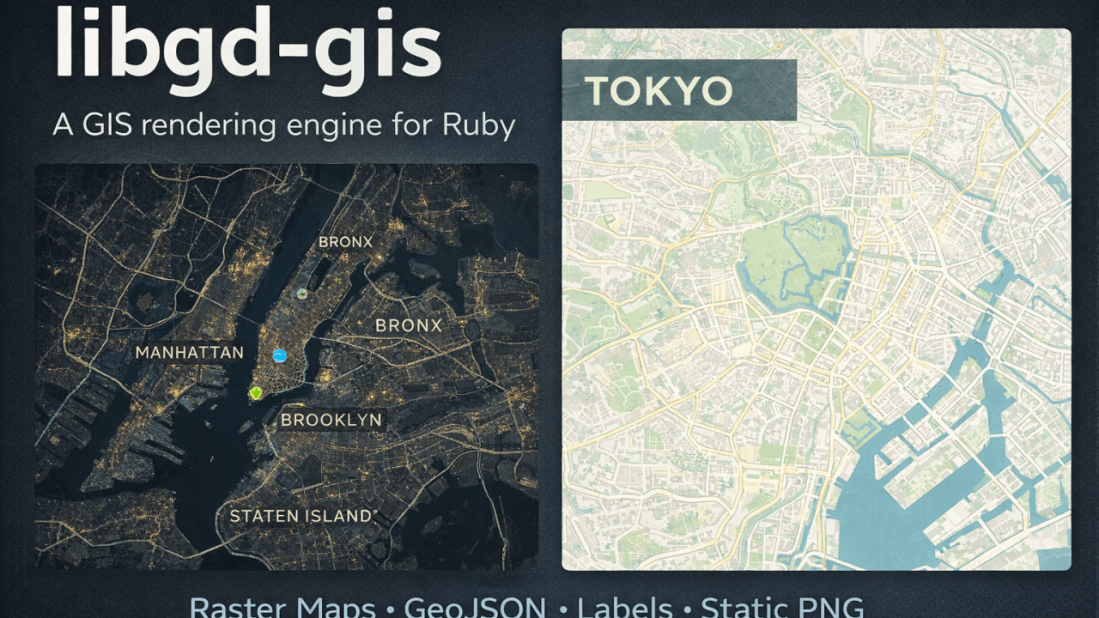
libgd-gis: A Practical GIS Rendering Engine for Ruby

January 23, 2026 Raster maps, GeoJSON overlays, and real-world cartography β€” without leaving Ruby. Over the last months, I’ve been working on libgd-gis, a GIS rendering engine built on top of libgd and designed specifically for Ruby developers who need static map generation without relying on browser-based toolchains or heavyweight GIS stacks. This article walks … Continue reading libgd-gis: A Practical GIS Rendering Engine for Ruby

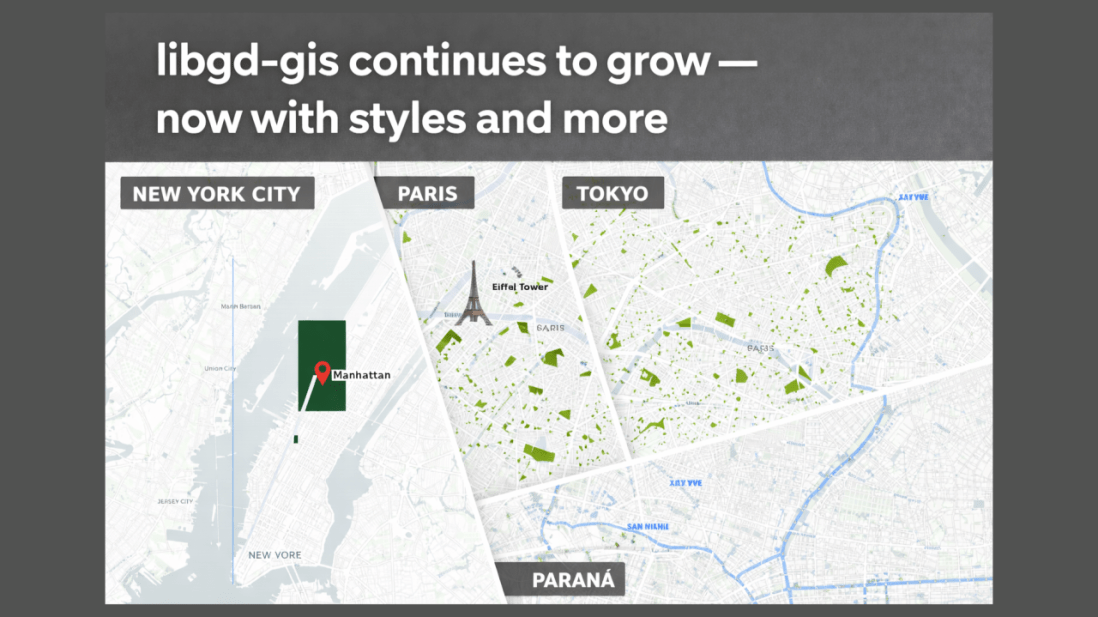
libgd-gis continues to grow β€” now with styles and more

January 12, 2026 Real-world cartography in pure Ruby RubyStackNews β€” January 2026 From geometry to cities Until recently, libgd-gis could render raw GeoJSON. Now it renders cities. Over the last development cycle, libgd-gis evolved from a low-level geometry renderer into a style-aware, layered GIS engine capable of producing publication-quality maps β€” directly from Ruby. With … Continue reading libgd-gis continues to grow β€” now with styles and more

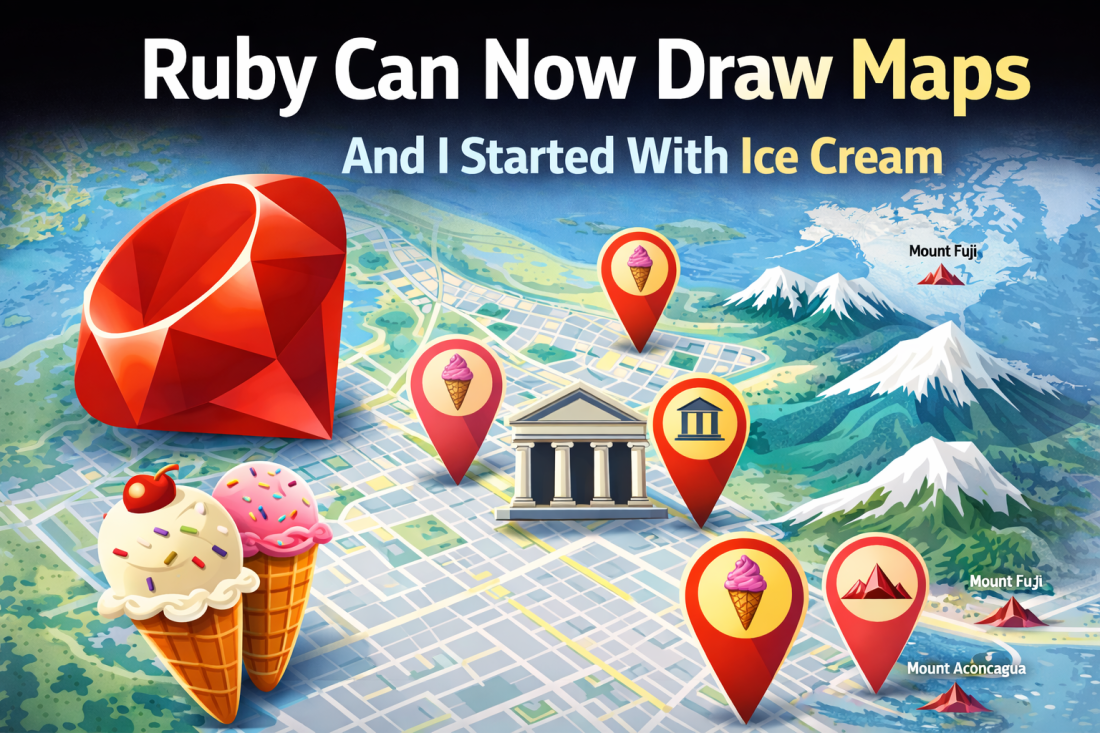
Ruby Can Now Draw Maps β€” And I Started With Ice Cream

January 7, 2026 How libgd-gis turns Ruby into a real GIS engine For many years, Ruby quietly missed something important. Yes, Ruby is amazing at APIs, data processing, background jobs, and web platforms β€” but when it came to maps, graphics, and spatial data, Ruby was forced to step aside and let other languages do … Continue reading Ruby Can Now Draw Maps β€” And I Started With Ice Cream