🌍 Rendering Maps by Name: Symbolic Geographic Extents in Ruby
Working with maps usually means working with numbers β€” lots of numbers. If you want to render a map of a country, region, or continent, you normally need to know its exact bounding box: bbox = [-73.6, -55.1, -53.6, -21.7] # Argentina Not exactly readable. Not memorable. Not friendly. What if you could just say: … Continue reading 🌍 Rendering Maps by Name: Symbolic Geographic Extents in Ruby
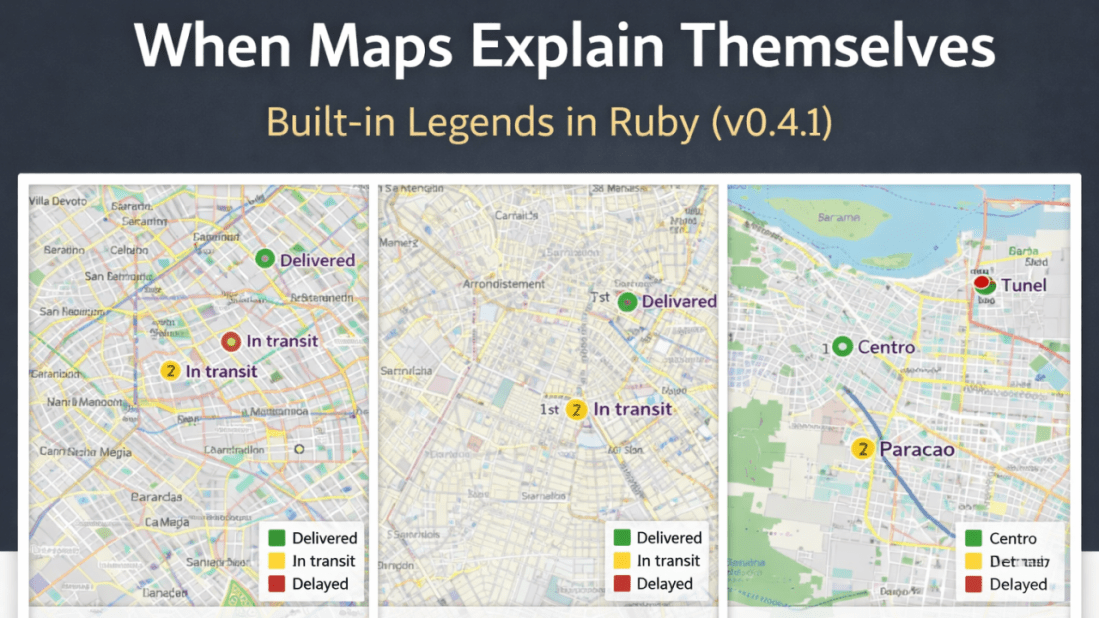
When Maps Explain Themselves: Legends, Style, and Finished Images in Ruby

February 10, 2026 Introduction libgd-gis now supports legends, introducing a fundamental building block in map communication. With the release of v0.4.1, legends become a first-class feature of the rendering pipeline, pushing the library one step closer to covering the essential capabilities expected from a modern GIS engine. Legends are not just a visual accessory. They … Continue reading When Maps Explain Themselves: Legends, Style, and Finished Images in Ruby

Making Maps with Ruby

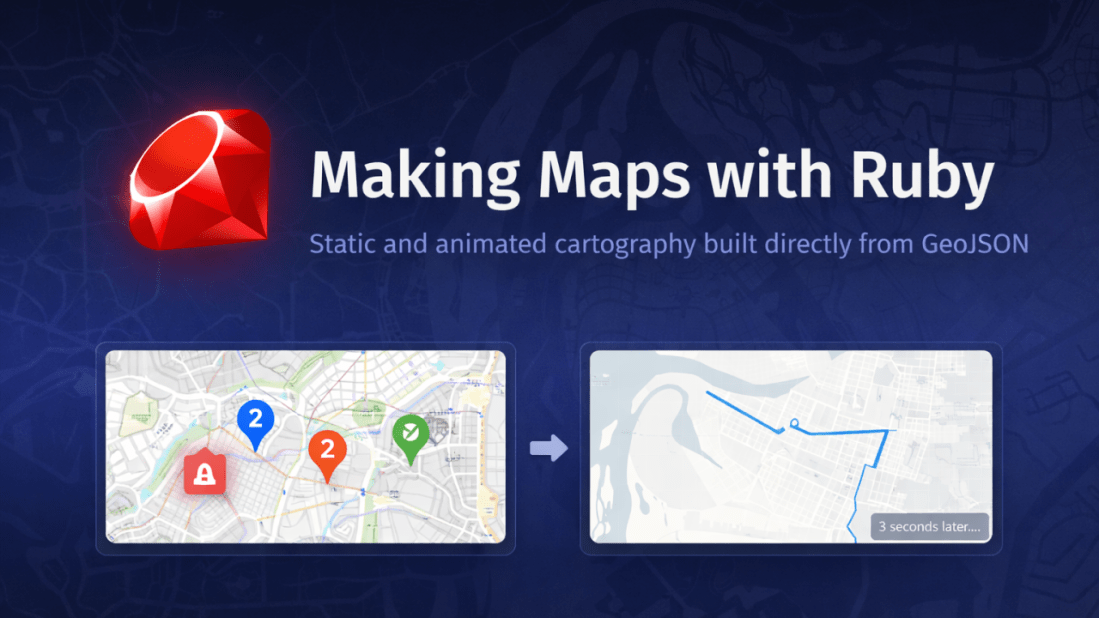
Making Maps with Ruby January 29, 2026 Static and animated cartography built directly from GeoJSON For a long time, generating maps from code meant working inside heavy ecosystems designed primarily for analysis. Those tools are powerful, but they are not always the right fit. In many practical scenarios, the problem is simpler and more concrete: … Continue reading Making Maps with Ruby

libgd-gis: A Practical GIS Rendering Engine for Ruby

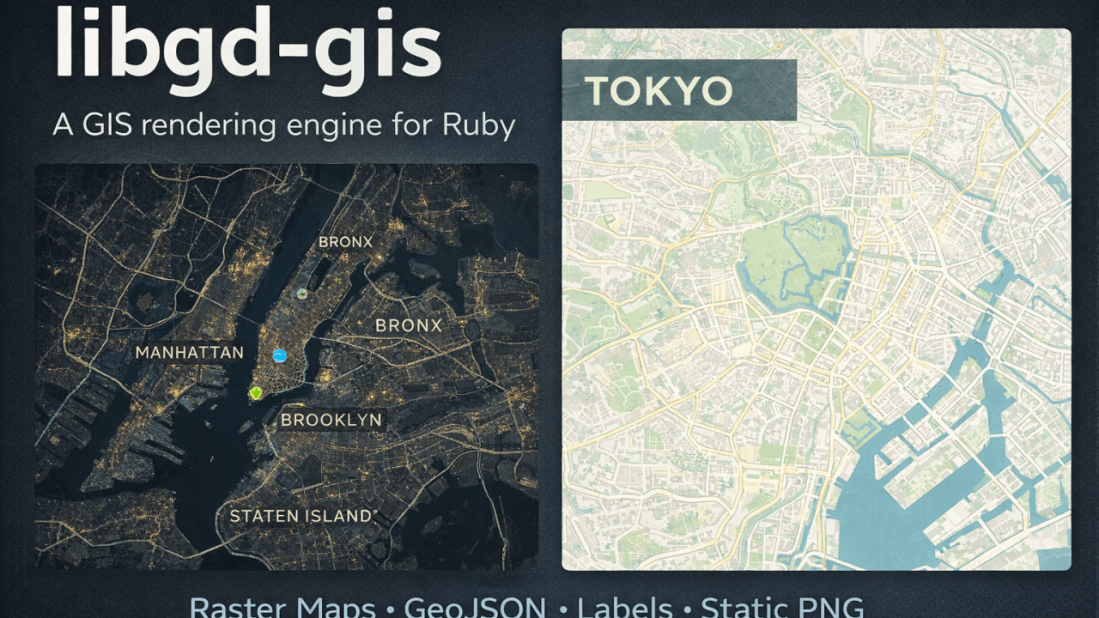
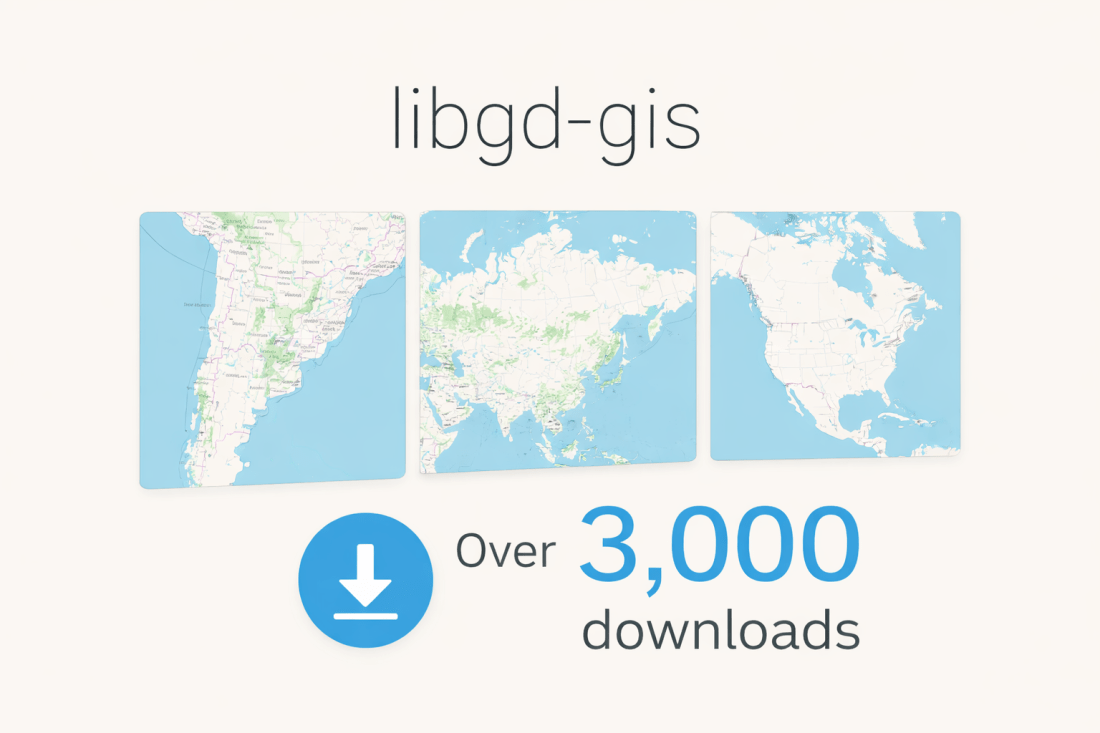
January 23, 2026 Raster maps, GeoJSON overlays, and real-world cartography β€” without leaving Ruby. Over the last months, I’ve been working on libgd-gis, a GIS rendering engine built on top of libgd and designed specifically for Ruby developers who need static map generation without relying on browser-based toolchains or heavyweight GIS stacks. This article walks … Continue reading libgd-gis: A Practical GIS Rendering Engine for Ruby

libgd-gis continues to grow β€” now with styles and more

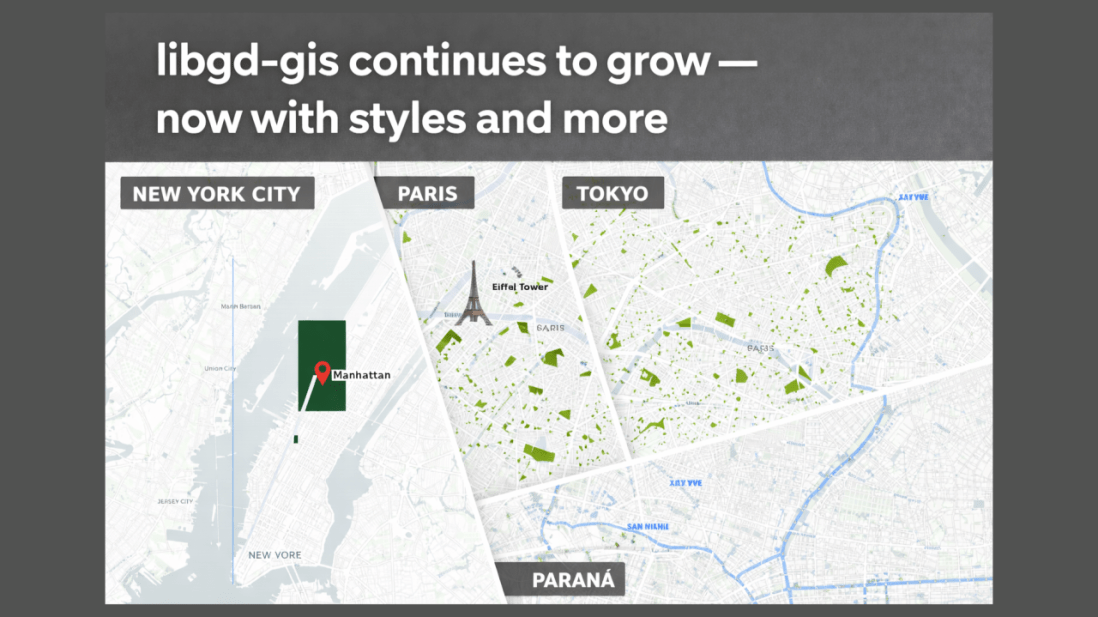
January 12, 2026 Real-world cartography in pure Ruby RubyStackNews β€” January 2026 From geometry to cities Until recently, libgd-gis could render raw GeoJSON. Now it renders cities. Over the last development cycle, libgd-gis evolved from a low-level geometry renderer into a style-aware, layered GIS engine capable of producing publication-quality maps β€” directly from Ruby. With … Continue reading libgd-gis continues to grow β€” now with styles and more

Ruby Can Draw Cities Now

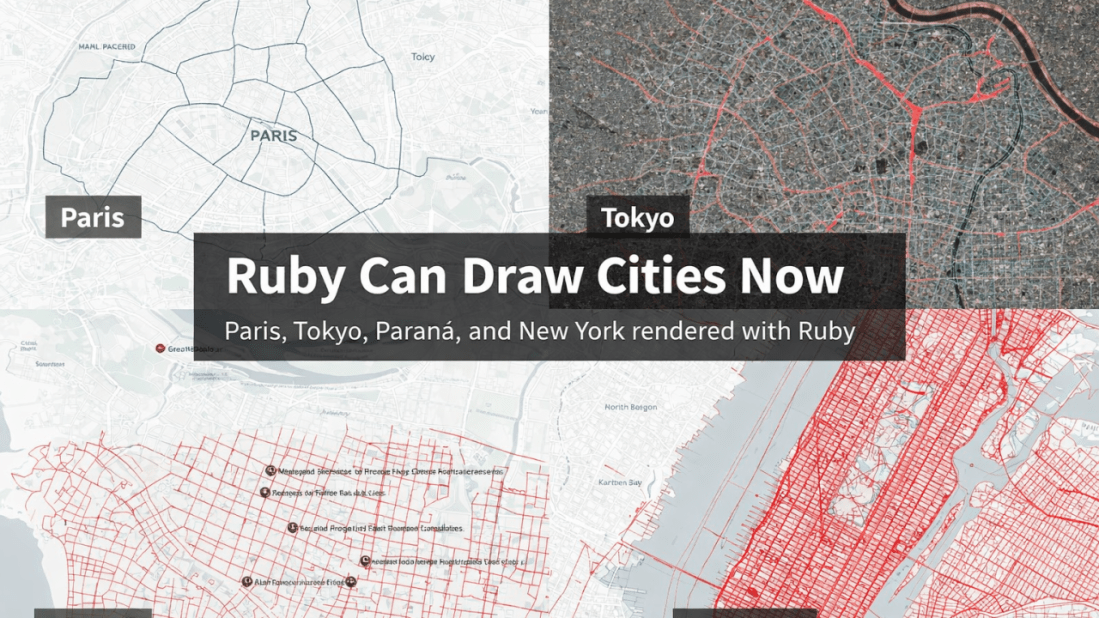
January 9, 2026 How I built a pure-Ruby GIS engine that renders Paris, Tokyo, New York, and more Most people don’t think of Ruby when they think about maps, GIS, or visual computing. If you want to draw a real city, the standard stack usually looks like: QGIS PostGIS Mapnik Mapbox or a heavy JavaScript … Continue reading Ruby Can Draw Cities Now

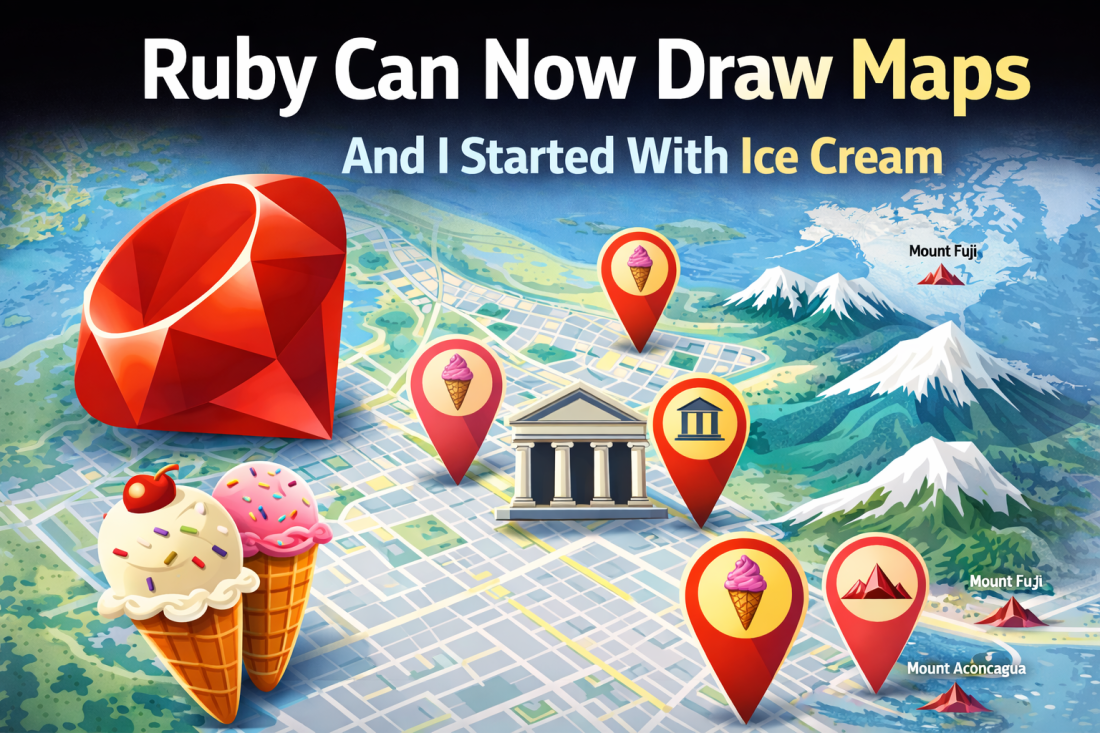
Ruby Can Now Draw Maps β€” And I Started With Ice Cream

January 7, 2026 How libgd-gis turns Ruby into a real GIS engine For many years, Ruby quietly missed something important. Yes, Ruby is amazing at APIs, data processing, background jobs, and web platforms β€” but when it came to maps, graphics, and spatial data, Ruby was forced to step aside and let other languages do … Continue reading Ruby Can Now Draw Maps β€” And I Started With Ice Cream