🧠 Pluggable Garbage Collectors in Ruby: Exploring the New Modular GC API

February 23, 2026 Ruby has traditionally shipped with a single, built-in garbage collector tightly coupled to the VM. With Ruby 3.4, that assumption begins to change. Feature #20470 introduces an experimental Modular Garbage Collector API, allowing CRuby to load alternative GC implementations at runtime. This marks one of the most significant architectural shifts in Ruby’s … Continue reading 🧠 Pluggable Garbage Collectors in Ruby: Exploring the New Modular GC API

Neither Too Much nor Too Little: A “Touch Base” on the Current State of AI

Neither Too Much nor Too Little: A “Touch Base” on the Current State of AI February 23, 2026 Motivated by the many comments — some fearful, others excessively enthusiastic — about artificial intelligence, I set out to “touch base”: to ground the discussion with a personal perspective on this tool which, no matter how useful … Continue reading Neither Too Much nor Too Little: A “Touch Base” on the Current State of AI

🧪 Ruby in the Browser? Exploring Rubox and the Future of Ruby WASM

February 22, 2026 Scan to try 🎯 Live Demo Available Introducing MapView Render beautiful, production-ready maps directly from your Ruby backend. No external APIs. No dependencies. Just pure speed and control. ✓ Zero external dependencies ✓ Lightning-fast rendering ✓ Production-ready & battle-tested Try the Live Demo → Read Docs A fully client-side Ruby playground powered … Continue reading 🧪 Ruby in the Browser? Exploring Rubox and the Future of Ruby WASM

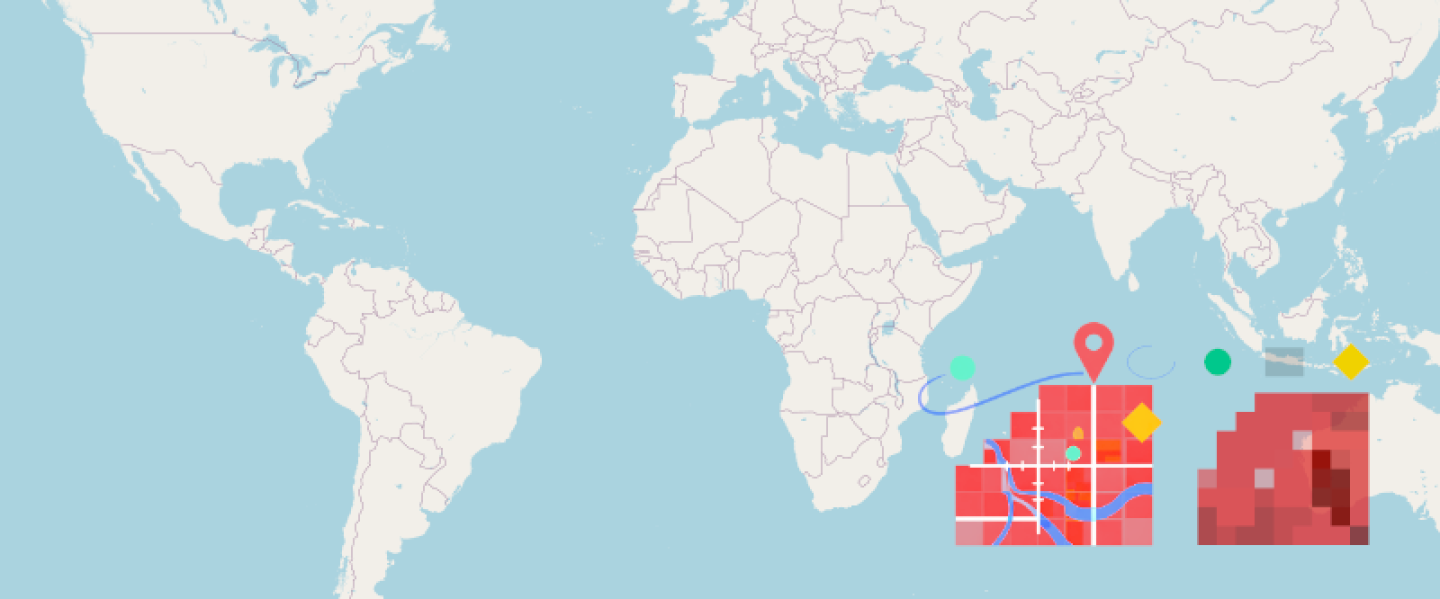
🌍 Rendering Maps by Name: Symbolic Geographic Extents in Ruby

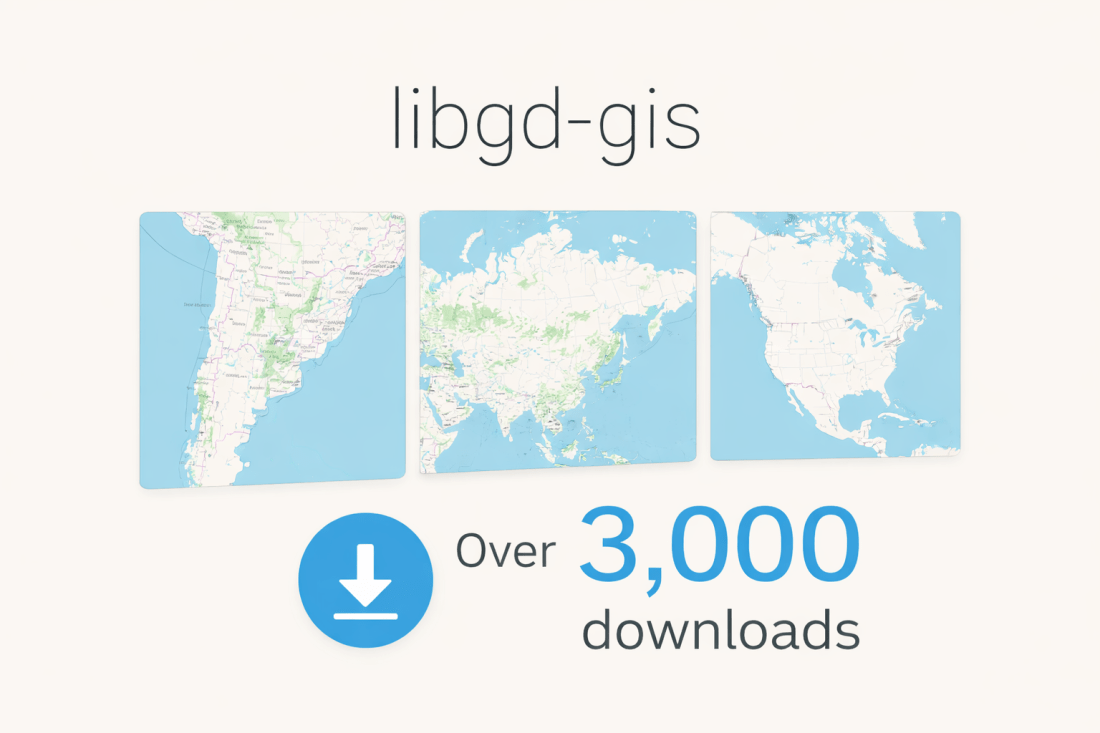
Working with maps usually means working with numbers — lots of numbers. If you want to render a map of a country, region, or continent, you normally need to know its exact bounding box: bbox = [-73.6, -55.1, -53.6, -21.7] # Argentina Not exactly readable. Not memorable. Not friendly. What if you could just say: … Continue reading 🌍 Rendering Maps by Name: Symbolic Geographic Extents in Ruby

🧠 RubyKaigi 2024: A Deep Technical Shift in Ruby’s Standard Library (With Real Examples)

February 20, 2026 RubyKaigi 2024 — Historical ContextAlthough this presentation discusses Ruby 3.4–3.5 and the ecosystem has already moved forward to Ruby 4 by 2026, the strategic shift it describes — reducing the traditional standard library and externalizing functionality as gems — represents a fundamental change in Ruby’s philosophy rather than a version-specific roadmap.Understanding this … Continue reading 🧠 RubyKaigi 2024: A Deep Technical Shift in Ruby’s Standard Library (With Real Examples)

From Delayed Job to Solid Queue: How a 10-Year Rails App Finally Achieved Linear Scaling

From Delayed Job to Solid Queue: How a 10-Year Rails App Finally Achieved Linear Scaling February 16, 2026 Lessons from Kaigi on Rails 2025 — Shohei Kobayashi Built for Ruby on Rails Build Maps WithoutGoogle APIs Generate beautiful production-ready maps directly from your Rails backend. Fast rendering, zero external dependencies, full control. View Live Demo … Continue reading From Delayed Job to Solid Queue: How a 10-Year Rails App Finally Achieved Linear Scaling

Rails 8 Authentication: Why the New Built-in Generator Matters (and What It Means for Devise)

February 16, 2026 Built for Ruby on Rails Build Maps WithoutGoogle APIs Generate beautiful production-ready maps directly from your Rails backend. Fast rendering, zero external dependencies, full control. View Live Demo → Read Docs ✓ No API fees ✓ Self-hosted ✓ Rails Native ✓ Fast Rendering Why developers switch Replace expensive map stacks. Stop relying … Continue reading Rails 8 Authentication: Why the New Built-in Generator Matters (and What It Means for Devise)

When Maps Explain Themselves: Legends, Style, and Finished Images in Ruby

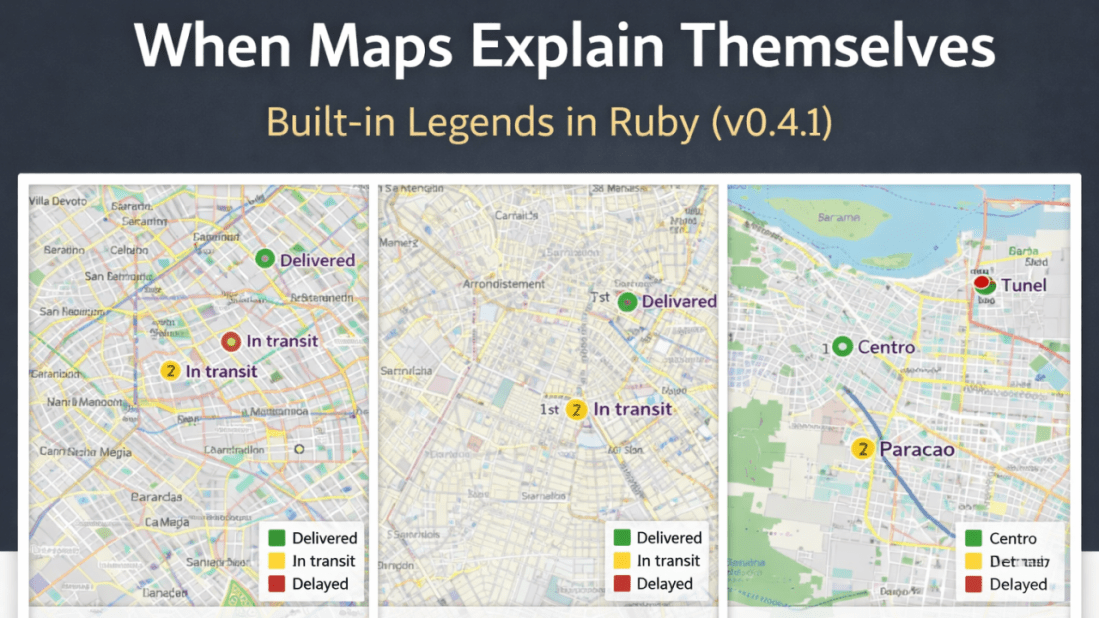
February 10, 2026 Introduction libgd-gis now supports legends, introducing a fundamental building block in map communication. With the release of v0.4.1, legends become a first-class feature of the rendering pipeline, pushing the library one step closer to covering the essential capabilities expected from a modern GIS engine. Legends are not just a visual accessory. They … Continue reading When Maps Explain Themselves: Legends, Style, and Finished Images in Ruby

Validating a Native Ruby Gem on Ruby 4.0.1

Validating a Native Ruby Gem on Ruby 4.0.1 February 5, 2026 Notes from the ruby-libgd 0.2.4 release With the release of Ruby 4.0, native extensions deserve a bit more attention than usual. Unlike pure-Ruby gems, C extensions depend not only on Ruby’s public API, but also on how headers, build tools, and packaging are wired … Continue reading Validating a Native Ruby Gem on Ruby 4.0.1

Understanding TypeProf: Design Goals, Limitations, and Effective Use in Ruby

Understanding TypeProf: Design Goals, Limitations, and Effective Use in Ruby January 28, 2026 TypeProf is an official type inference tool for Ruby that has gained attention as part of the ecosystem surrounding RBS, Steep, and Sorbet. Despite this visibility, it is frequently misunderstood and often perceived as “not working” by first-time users. This article analyzes … Continue reading Understanding TypeProf: Design Goals, Limitations, and Effective Use in Ruby