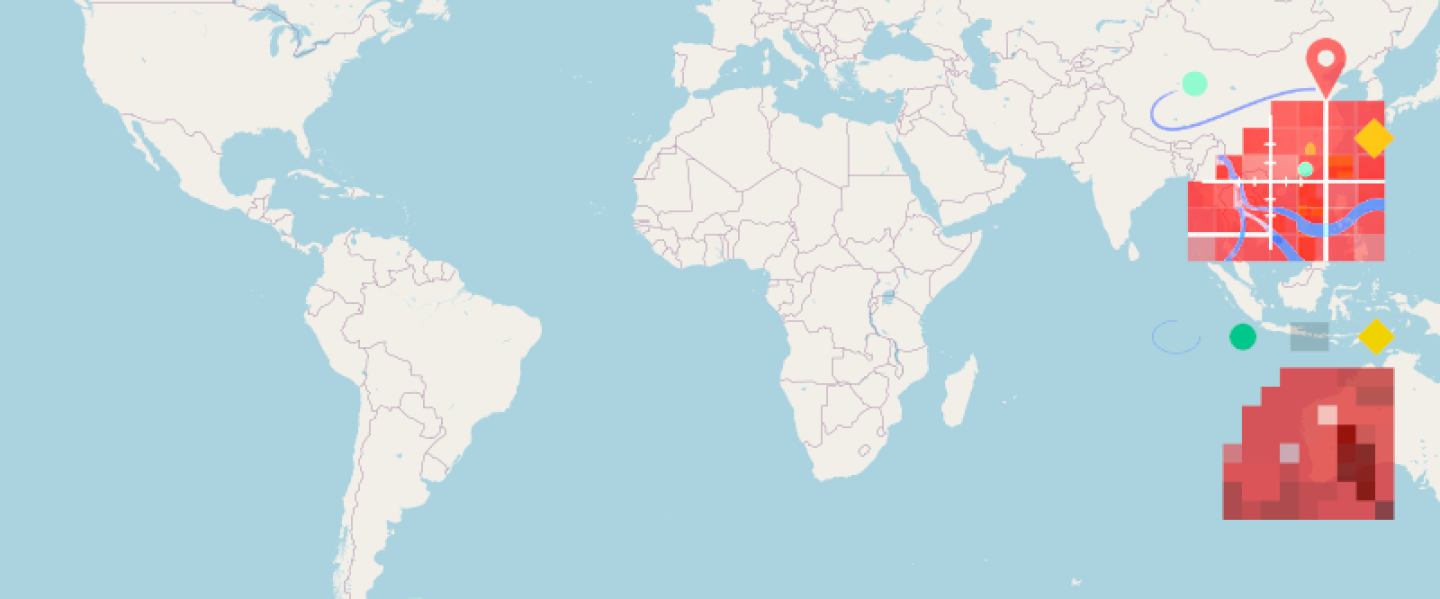
From := to :=: How Go Brought Me Back to My Pascal and Delphi Days March 31, 2026 π See the LIVE DEMO in action MapView Render maps directly from your backend no external APIs required. Fast, controlled, and production-ready. Try the demo β It happened on a Tuesday. I was writing a small microservice … Continue reading From := to :=: How Go Brought Me Back to My Pascal and Delphi Days
Category: Software
GitHub Deletes Your Traffic Logs Every 14 Days. Here’s How to Stop That with Ruby
GitHub Deletes Your Traffic Logs Every 14 Days. Here's How to Stop That with Ruby March 30, 2026 π See the LIVE DEMO in action MapView Render maps directly from your backend no external APIs required. Fast, controlled, and production-ready. Try the demo β Motivation: I didn't want to lose the metrics for ruby-libgd and … Continue reading GitHub Deletes Your Traffic Logs Every 14 Days. Here’s How to Stop That with Ruby
ruby-libgd: The Modern Ruby Image Library You’ve Been Sleeping On
ruby-libgd: The Modern Ruby Image Library You've Been Sleeping On March 30, 2026 Reading time: 8 minutes Status: Benchmark-driven, production-ready π See the LIVE DEMO in action MapView Render maps directly from your backend no external APIs required. Fast, controlled, and production-ready. Try the demo β Executive Summary After extensive benchmarking against RMagick, ChunkyPNG, and … Continue reading ruby-libgd: The Modern Ruby Image Library You’ve Been Sleeping On
libgd-gis: Filling Ruby’s Graphics Gap and Building an Ecosystem
libgd-gis: Filling Ruby's Graphics Gap and Building an Ecosystem March 26, 2026 For years, generating map tiles, GIS visualizations, and fast raster graphics in Ruby has been a painful experience. ImageMagick derivatives were slow. External services added latency and complexity. The old ruby-gd binding languished unmaintained. Then ruby-libgd arrived - a modern, actively maintained binding … Continue reading libgd-gis: Filling Ruby’s Graphics Gap and Building an Ecosystem
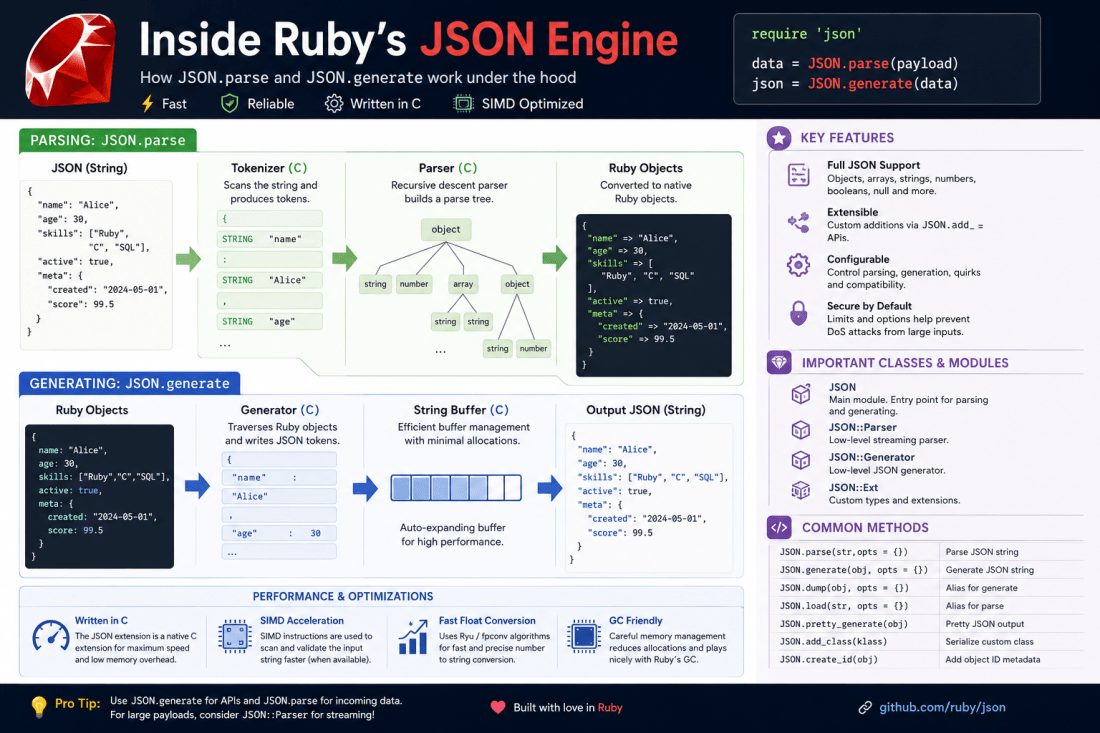
FFI: How Ruby Talks to C
March 25, 2026 Published on RubyStackNews Scan to try π― Live Demo Available Introducing MapView Render beautiful, production-ready maps directly from your Ruby backend. No external APIs. No dependencies. Just pure speed and control. β Zero external dependencies β Lightning-fast rendering β Production-ready & battle-tested Try the Live Demo β Read Docs Ruby is a … Continue reading FFI: How Ruby Talks to C
The Odin Project: Why Itβs One of the Best Ways to Learn Web Development
March 24, 2026 Scan to try π― Live Demo Available Introducing MapView Render beautiful, production-ready maps directly from your Ruby backend. No external APIs. No dependencies. Just pure speed and control. β Zero external dependencies β Lightning-fast rendering β Production-ready & battle-tested Try the Live Demo β Read Docs If youβre looking for a structured, … Continue reading The Odin Project: Why Itβs One of the Best Ways to Learn Web Development
Can Ruby Read an X-Ray? Building a Medical Image Processor
Can Ruby Read an X-Ray? Building a Medical Image Processor March 23, 2026 Published on RubyStackNews Nobody expects Ruby to process medical images. That is exactly why I tried it. This article is about building a medical image analysis prototype in pure Ruby using ruby-libgd as the rendering and pixel manipulation engine. No Python. No … Continue reading Can Ruby Read an X-Ray? Building a Medical Image Processor
π€ Ruby events this week
Generated automatically by RubyEventsBot using ruby-libgd. Updated every 7 days. Updated by: https://github.com/koxya | Twitter: @koxya
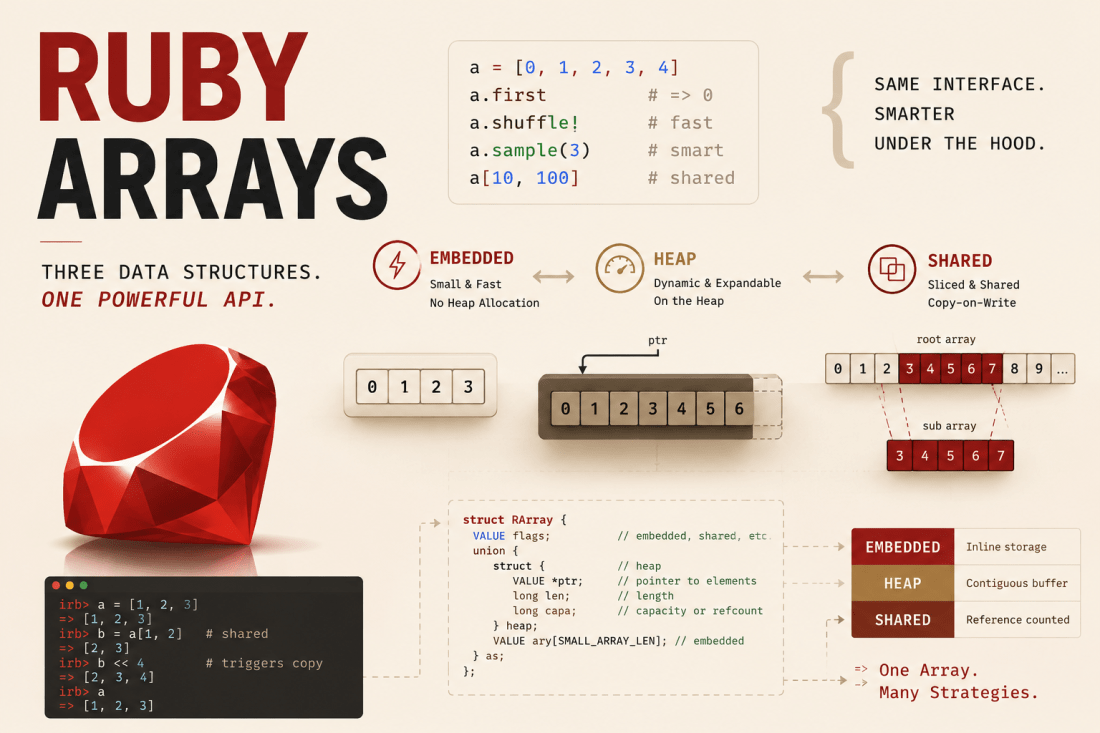
FastImage Overview
FastImage Overview March 20, 2026 The Gem: Fetch image dimensions and type without downloading the entire file. The Problem Your app needs image dimensions from remote URLs (S3, CDN, etc.). Downloading 5MB just to learn the size is wasteful. The Solution FastImage reads only the file headersβtypically 1-16KBβto determine size and type. Key Features Pure … Continue reading FastImage Overview
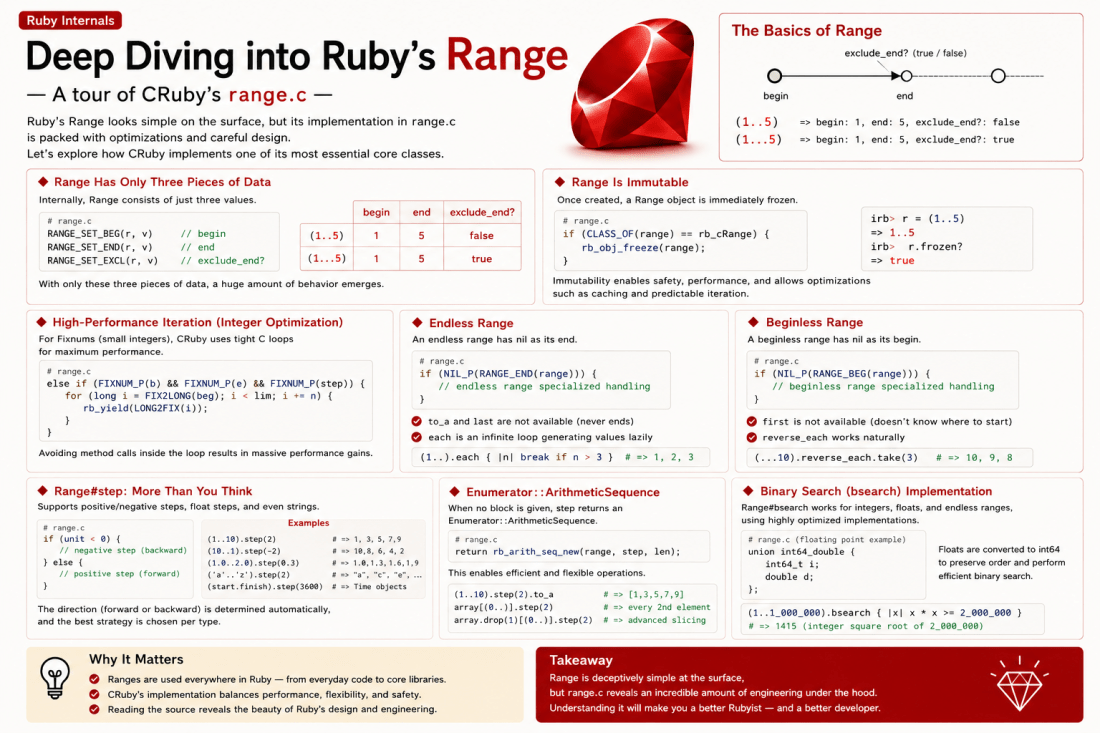
2D Histograms in Pure Ruby
2D Histograms in Pure Ruby March 18, 2026 Published on RubyStackNews One of the most useful tools in exploratory data analysis is the 2D histogram. Not the bar chart kind β the density map kind. Given a cloud of points, it answers a simple question: where do most of them live? This article shows how … Continue reading 2D Histograms in Pure Ruby