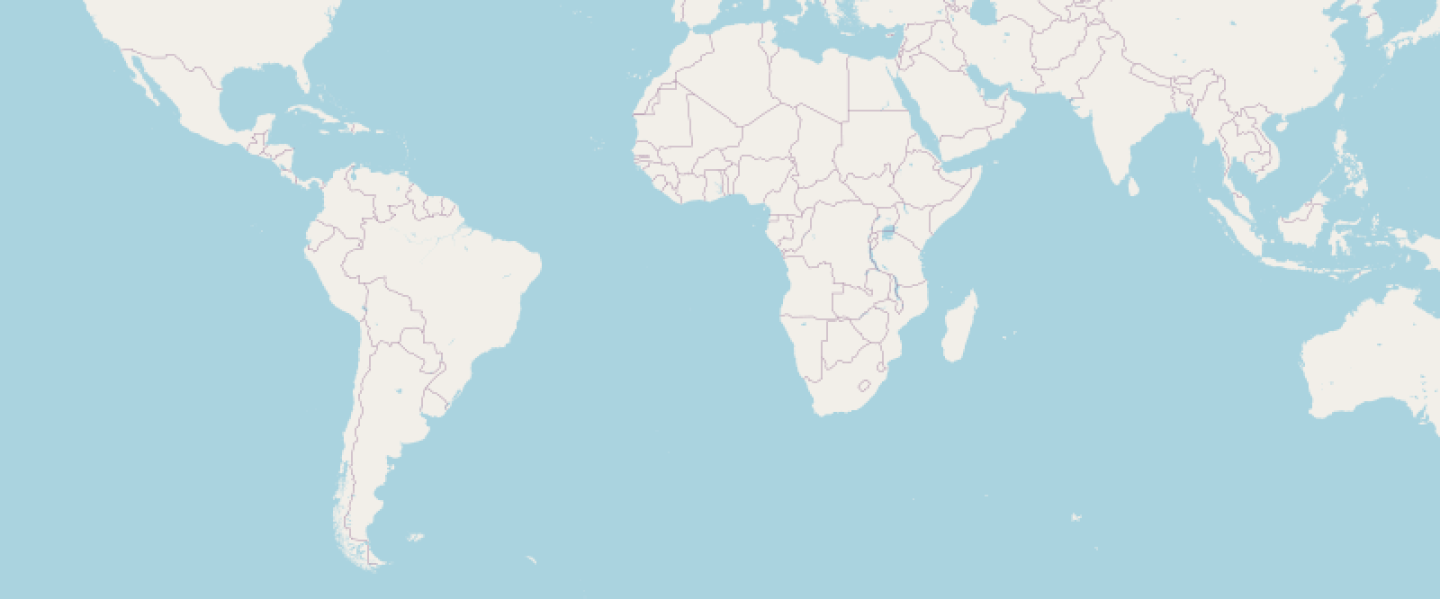
Working with maps usually means working with numbers β lots of numbers. If you want to render a map of a country, region, or continent, you normally need to know its exact bounding box: bbox = [-73.6, -55.1, -53.6, -21.7] # Argentina Not exactly readable. Not memorable. Not friendly. What if you could just say: … Continue reading π Rendering Maps by Name: Symbolic Geographic Extents in Ruby
Year: 2026
π§ RubyKaigi 2024: A Deep Technical Shift in Rubyβs Standard Library (With Real Examples)
February 20, 2026 RubyKaigi 2024 β Historical ContextAlthough this presentation discusses Ruby 3.4β3.5 and the ecosystem has already moved forward to Ruby 4 by 2026, the strategic shift it describes β reducing the traditional standard library and externalizing functionality as gems β represents a fundamental change in Rubyβs philosophy rather than a version-specific roadmap.Understanding this … Continue reading π§ RubyKaigi 2024: A Deep Technical Shift in Rubyβs Standard Library (With Real Examples)
What Rails Actually Wants: Tidying Controllers and Views Without Service Object Explosion
February 20, 2026 Lessons from RailsTokyo 2026 on using ActiveRecord as a relational engineβnot just an ORM Modern Rails teams often inherit a paradox: controllers must be βthin,β views must be βdumb,β models must be βfat,β and yet production apps accumulate service objects, query objects, presenters, decorators, serializers, policies, and helpers until the architecture resembles … Continue reading What Rails Actually Wants: Tidying Controllers and Views Without Service Object Explosion
Stop Checking admin?: Designing Authorization That Wonβt Become Technical Debt (Kaigi on Rails 2025)
February 17, 2026 Modern Rails applications rarely fail because of authentication β they fail because of authorization complexity. As products grow, roles multiply, exceptions accumulate, and permission checks scatter across controllers, models, views, and frontend code. What begins as a simple current_user.admin? quickly becomes an unmaintainable web of implicit rules. At Kaigi on Rails 2025, … Continue reading Stop Checking admin?: Designing Authorization That Wonβt Become Technical Debt (Kaigi on Rails 2025)
From Delayed Job to Solid Queue: How a 10-Year Rails App Finally Achieved Linear Scaling
From Delayed Job to Solid Queue: How a 10-Year Rails App Finally Achieved Linear Scaling February 16, 2026 Lessons from Kaigi on Rails 2025 β Shohei Kobayashi In large Rails systems, background jobs are not a detail β they are the system. Email delivery, AI processing, document generation, data cleanup, notifications, analytics pipelines β everything … Continue reading From Delayed Job to Solid Queue: How a 10-Year Rails App Finally Achieved Linear Scaling
Rails 8 Authentication: Why the New Built-in Generator Matters (and What It Means for Devise)
February 16, 2026 In 2025, at Rails g authentication from Kaigi on Rails 2025, developer Shinichi Maeshima presented an insightful talk on Rails 8βs new rails g authentication generator and its implications for how we build authentication in Rails apps. Rails has long given developers the building blocks for authentication β has_secure_password, session cookies, and … Continue reading Rails 8 Authentication: Why the New Built-in Generator Matters (and What It Means for Devise)