
June 15, 2026
For years, deploying a Rails application meant choosing between managing your own servers or using Heroku. Today, the ecosystem offers more options than ever, each with different trade-offs in simplicity, control, cost, and scalability.
If you’re starting a new Rails project in 2026, understanding these options can save significant time and operational overhead.

The Rails Philosophy Still Applies
Rails has always encouraged developers to focus on building products rather than managing infrastructure.
The ideal deployment platform should allow developers to:
- Push code quickly.
- Automate deployments.
- Scale when necessary.
- Minimize operational complexity.
The question is no longer “How do I deploy Rails?” but rather “Which platform best matches my project’s stage and requirements?”
The Modern Deployment Pipeline
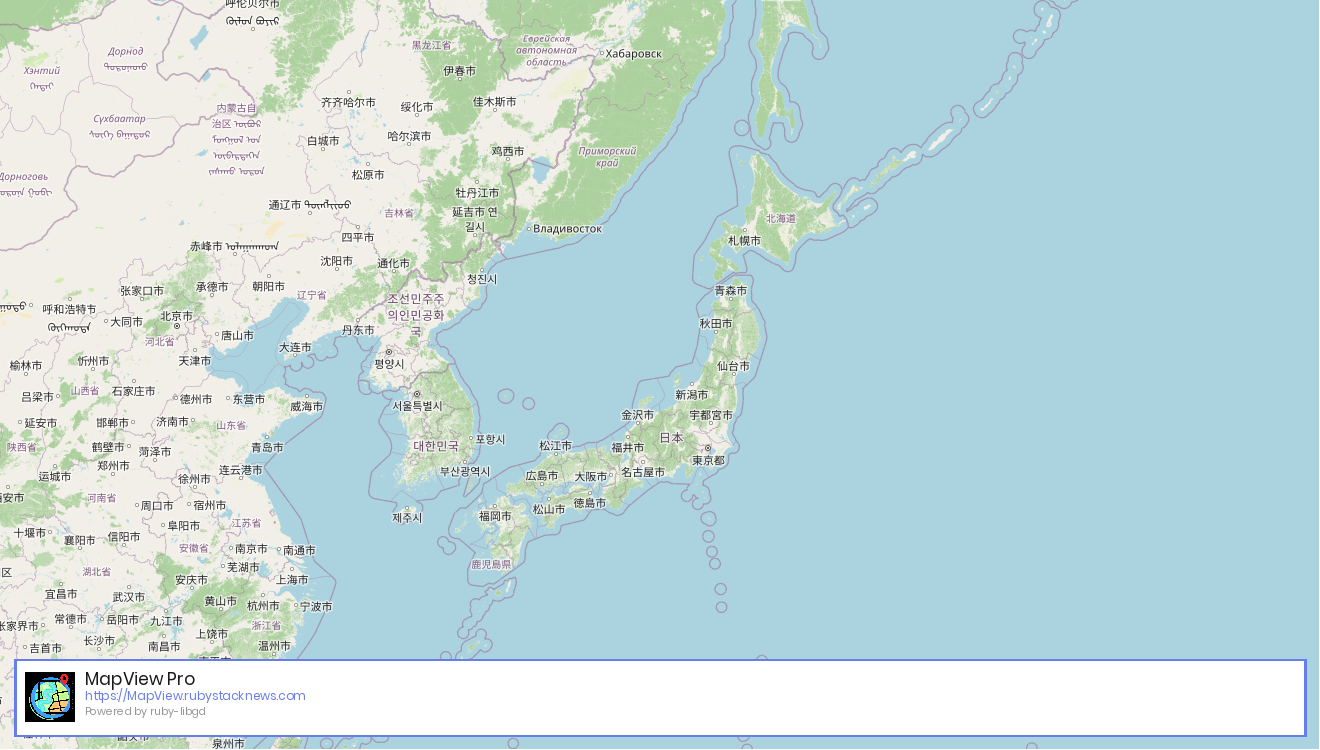
Most Rails applications today follow a similar workflow:
GitHub ↓CI/CD ↓Deployment Platform ↓Rails + Puma ↓PostgreSQL
A typical setup includes:
- GitHub for source control.
- GitHub Actions for CI/CD.
- PostgreSQL as the primary database.
- Redis for caching and background jobs.
- Sidekiq for asynchronous processing.
The main difference lies in where the application runs.
Railway
Railway has become one of the most attractive platforms for Rails developers.
Pros
- Extremely fast setup.
- Native PostgreSQL support.
- Redis support.
- GitHub integration.
- Minimal configuration.
- Automatic deployments.
Cons
- Less infrastructure control than cloud providers.
- Advanced networking options may be limited compared to AWS or GCP.
Railway is particularly appealing for:
- MVPs.
- SaaS startups.
- Solo developers.
- Small engineering teams.
For many projects, it provides the fastest path from idea to production.
Render
Render occupies a space similar to Heroku while offering modern infrastructure and competitive pricing.
Pros
- Managed services.
- Easy Rails deployment.
- Managed PostgreSQL.
- Background workers.
- Good developer experience.
Cons
- Can become more expensive as workloads grow.
- Fewer enterprise features than large cloud providers.
Render is often a natural choice for teams that want simplicity without sacrificing flexibility.
Fly.io
Fly.io approaches deployment differently by running applications close to users around the world.
Pros
- Global deployment.
- Excellent latency.
- Docker-first workflow.
- Good support for Rails.
Cons
- Slightly steeper learning curve.
- More infrastructure concepts to understand.
Fly.io is a strong option when geographic distribution matters.
Heroku
Despite increased competition, Heroku remains relevant.
Pros
- Exceptional developer experience.
- Mature ecosystem.
- Extensive documentation.
Cons
- Higher costs compared to some alternatives.
- Less attractive pricing for smaller projects.
Heroku still excels when developer productivity is the primary concern.
DigitalOcean
DigitalOcean offers a balance between simplicity and control.
Pros
- Predictable pricing.
- Managed databases.
- App Platform support.
- Virtual machines when needed.
Cons
- More infrastructure responsibility.
- Additional operational tasks.
It is often a good stepping stone between managed platforms and large cloud providers.
Google Cloud and AWS
Eventually some applications outgrow simpler platforms.
At that point, organizations may move to cloud providers such as Google Cloud or AWS.
Pros
- Massive scalability.
- Enterprise-grade services.
- Extensive networking capabilities.
- Advanced monitoring and security options.
Cons
- Significant complexity.
- Higher operational burden.
- Steeper learning curve.
Many teams discover they need only a small fraction of what these platforms provide.
Do You Need Kubernetes?
Probably not.
One of the most common mistakes in modern infrastructure is introducing Kubernetes before the application actually requires it.
Many successful Rails applications continue to run on:
Load Balancer ↓Rails + Puma ↓PostgreSQL ↓Redis + Sidekiq
This architecture can support substantial traffic while remaining easy to understand and maintain.
Infrastructure complexity should be earned, not assumed.
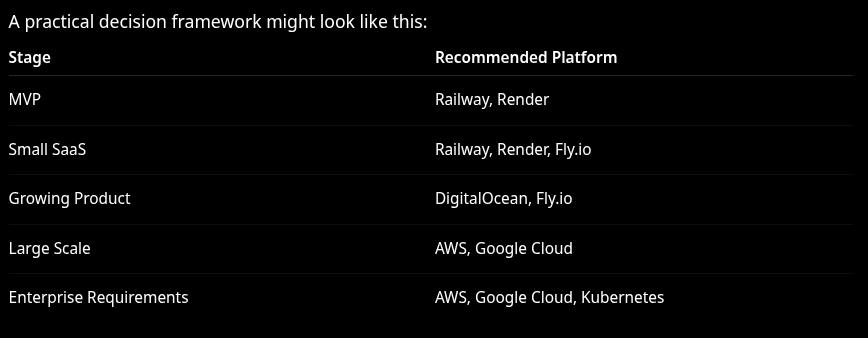
Choosing the Right Platform
Final Thoughts
The Rails ecosystem has never had more deployment options.
For most projects, the best choice is usually the one that minimizes operational complexity while allowing future growth.
In 2026, many teams can launch successfully using Railway, Render, or Fly.io, postponing the need for more complex infrastructure until the business genuinely requires it.
The goal remains the same as it was when Rails first appeared: spend less time managing servers and more time building products.

 Linking Ruby knowledge from the most remote places in the world.