

November 22, 2024
When working with APIs in Ruby, we often find ourselves writing repetitive code for client interfaces: methods for fetching, creating, updating, and deleting resources. What if we could streamline this process with dynamic method generation and customization? Using Rails generators and Thor, we can create flexible, reusable API clients that cater to any API’s structure.
This article explores how to dynamically define API methods, resolve naming conflicts, and handle custom requirements, while leveraging Rails’ generator ecosystem.
🚀 Need Expert Ruby on Rails Developers to Elevate Your Project?

This article is inspired by the insightful video available at:
Why Build Dynamic API Clients?
APIs often have similar CRUD (Create, Read, Update, Delete) operations across endpoints, yet they vary in naming conventions, argument structures, or even casing preferences. A dynamic approach simplifies the process, allowing developers to focus on logic rather than boilerplate code.
By combining Rails’ code generation capabilities and Thor’s flexibility, we can generate consistent, adaptable methods for various endpoints without duplication.
Step 1: Dynamic Method Creation
Imagine we need methods like index, show, update, and destroy. Instead of hardcoding each, we dynamically define these methods.
def define_method_for(action, args = [])
  method_name = "#{action}_#{resource_name}".underscore
  define_method(method_name) do |*args|
    # API interaction logic here
  end
end
Dynamic definitions allow us to generate methods such as list_users, find_user, and update_user by simply iterating over action names. This approach not only reduces redundancy but also makes the code easier to maintain and extend.
Step 2: Handling Parameters
Some actions, like show or update, require additional arguments, such as an id or attributes for updates. By passing arguments dynamically, we can tailor each method:
def show(id)
  "/#{id}"
end

def update(id, attributes)
  { path: "/#{id}", body: attributes }
end
This flexibility ensures our API client methods can adapt to varying endpoint requirements.
Step 3: Avoiding Name Conflicts
APIs may include endpoints with similar names, leading to conflicts in method naming. To resolve this, we use prefixes or custom transformations:
prefixes = {
  "index" => "list",
  "show" => "find",
  "create" => "create",
  "update" => "update",
  "destroy" => "delete"
}

method_name = "#{prefixes[action]}_#{resource_name}".underscore
By mapping actions to prefixes (e.g., list_ for index, find_ for show), we avoid conflicts and improve readability. Ruby’s underscore method ensures method names adhere to snake_case conventions, regardless of the API’s original format.
Step 4: Thor Options for Configuration

Thor, a powerful command-line library, simplifies the addition of configurable options like a base URL for API requests.
class ApiClient < Thor
  class_option :url, type: :string, default: "https://api.example.com"
end
With class_option, we can dynamically pass configuration parameters, ensuring generated clients are adaptable to different environments. This setup also extends to test generation, where defaults can be overridden for consistency.
Step 5: Template Customization with ERB
To maintain clean and readable output, we use ERB templates for code generation. Templates allow fine-tuned control over spacing, indentation, and content inclusion based on dynamic attributes.
For example:
<% actions.each do |action| %>
def <%= action.name %>
  "<%= action.path %>"
end
<% end %>
This approach ensures that only the relevant methods and attributes are included, while maintaining flexibility for future adjustments.
Testing: Ensure Confidence
Testing is essential for any API client. By mirroring the dynamic attributes and options used in method generation, we ensure tests remain consistent and up-to-date. Updating the base URL or method attributes reflects across the client and its tests, reducing errors and maintenance overhead.
Why It Matters
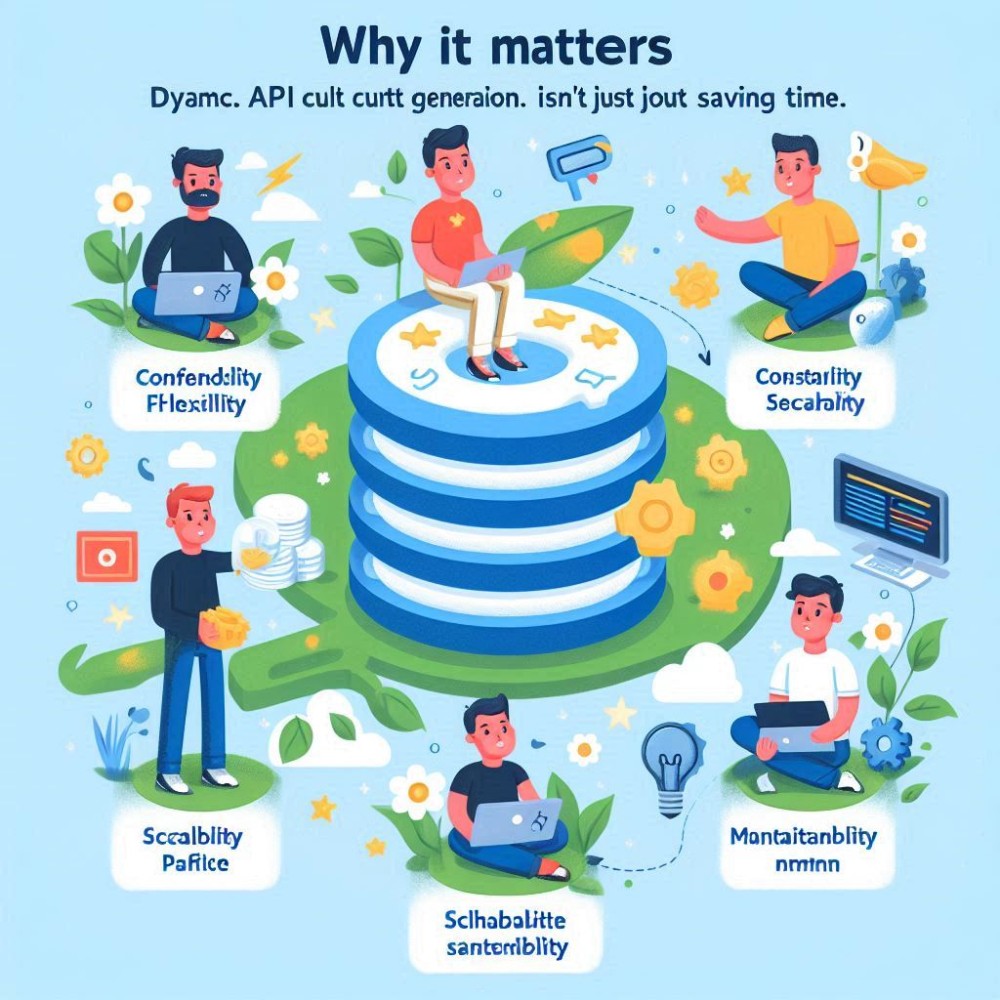
Dynamic API client generation isn’t just about saving time. It brings:
- Consistency: Methods adhere to Ruby conventions, even if the API doesn’t.
- Flexibility: Easily adapt to API changes or new endpoints.
- Scalability: Add new resources or methods without rewriting code.
- Maintainability: Centralized logic for method creation and testing.
Resources to Get Started
- Thor Documentation: Thor on GitHub
- Rails Generators Guide: Rails Guides
- Jumpstart Pro: GoRails Jumpstart
With these tools and techniques, you can dive into Ruby’s metaprogramming capabilities, customize your workflows, and streamline API interactions. Ready to supercharge your development process? Let’s get started!
Conclusion
Building dynamic API clients with Ruby, Rails, and Thor not only saves time but also ensures your codebase stays clean, scalable, and maintainable. By embracing dynamic method creation, smart naming conventions, and customizable options, you’ll turn those tedious API integrations into a smooth, repeatable process.
And hey, with all that time saved, you might finally have a chance to tackle that API documentation you’ve been ignoring—or at least skim it. After all, who needs sleep when you have Ruby? 😉

 Linking Ruby knowledge from the most remote places in the world.