
December 22, 2025
Reflections from RubyRelease30th and Matz’s Keynote
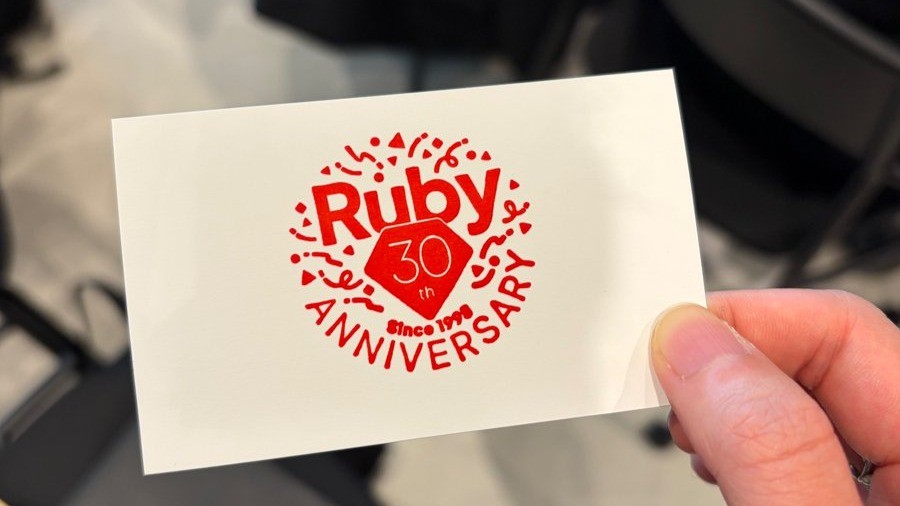
As 2025 comes to an end and Ruby moves closer to the long-awaited release of Ruby 4, the Ruby Release 30th Anniversary Party, held on December 20, felt like more than a commemorative event. It was a moment of reflection—about history, values, and why Ruby continues to matter after three decades.
Advertise on RubyStackNews
RubyStackNews is a niche publication read by Ruby and Rails developers worldwide. Our audience includes senior engineers, tech leads, and decision-makers from the US, Europe, and Asia.
Sponsorship Options
Your brand featured inside a technical article (clearly marked as sponsored).
Highlighted sponsor section embedded within an article.
Logo + link displayed site-wide in the sidebar.
- Highly targeted Ruby / Rails audience
- Organic traffic from search and developer communities
- No ad networks — direct sponsorships only
Interested in sponsoring RubyStackNews?
Contact via WhatsAppThe celebration took place at ANDPAD, in Tokyo:
Japan, 〒108-0073 Tokyo, Minato City, Mita 3 Chome−5−19 Sumitomo Fudosan Tokyo Mita Garden Tower, 37F
A fitting venue for an event that looked both backward and forward at the same time.
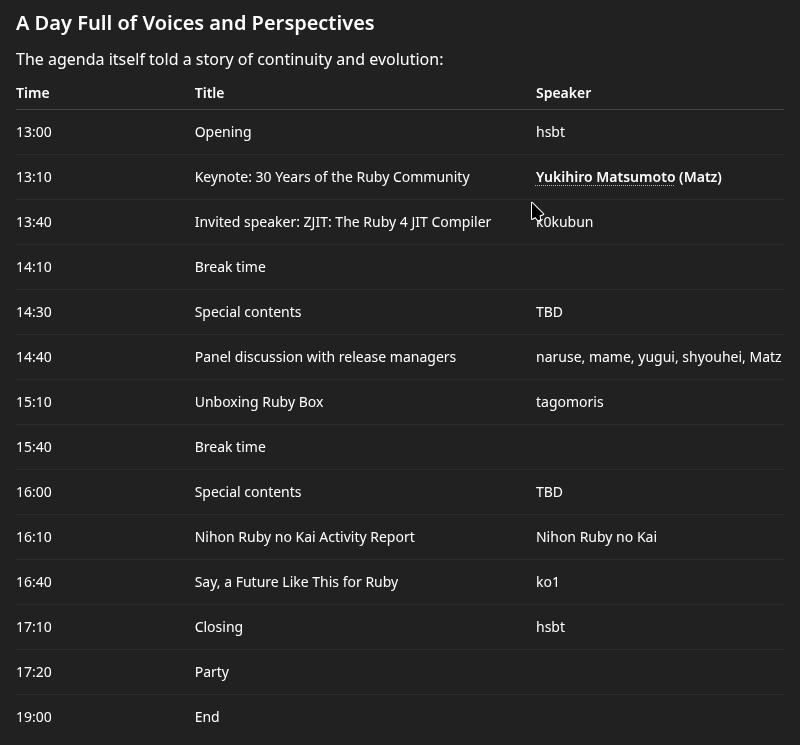
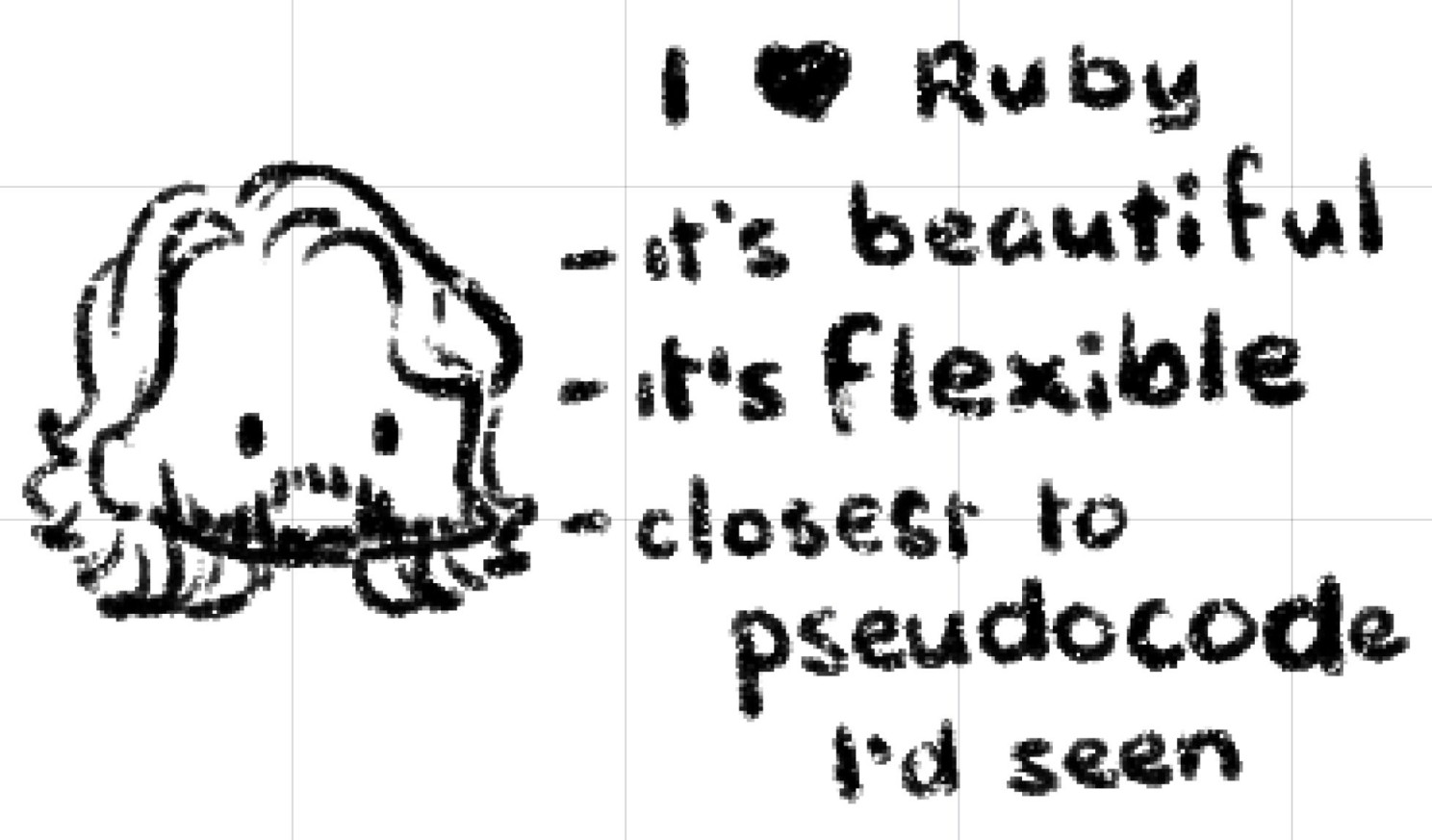
While talks covered performance, tooling, and the future of the language, the emotional and conceptual center of the event was clearly Matz’s keynote.
The Community Never Stops Talking
As expected, the Ruby community immediately took the conversation online. X (formerly Twitter) has been buzzing with photos, quotes, and reflections under the hashtag:
👉 https://x.com/hashtag/rubyrelease30th
This constant discussion is not noise—it is a signal. Ruby has always lived through dialogue, not declarations.
A New Face for Ruby
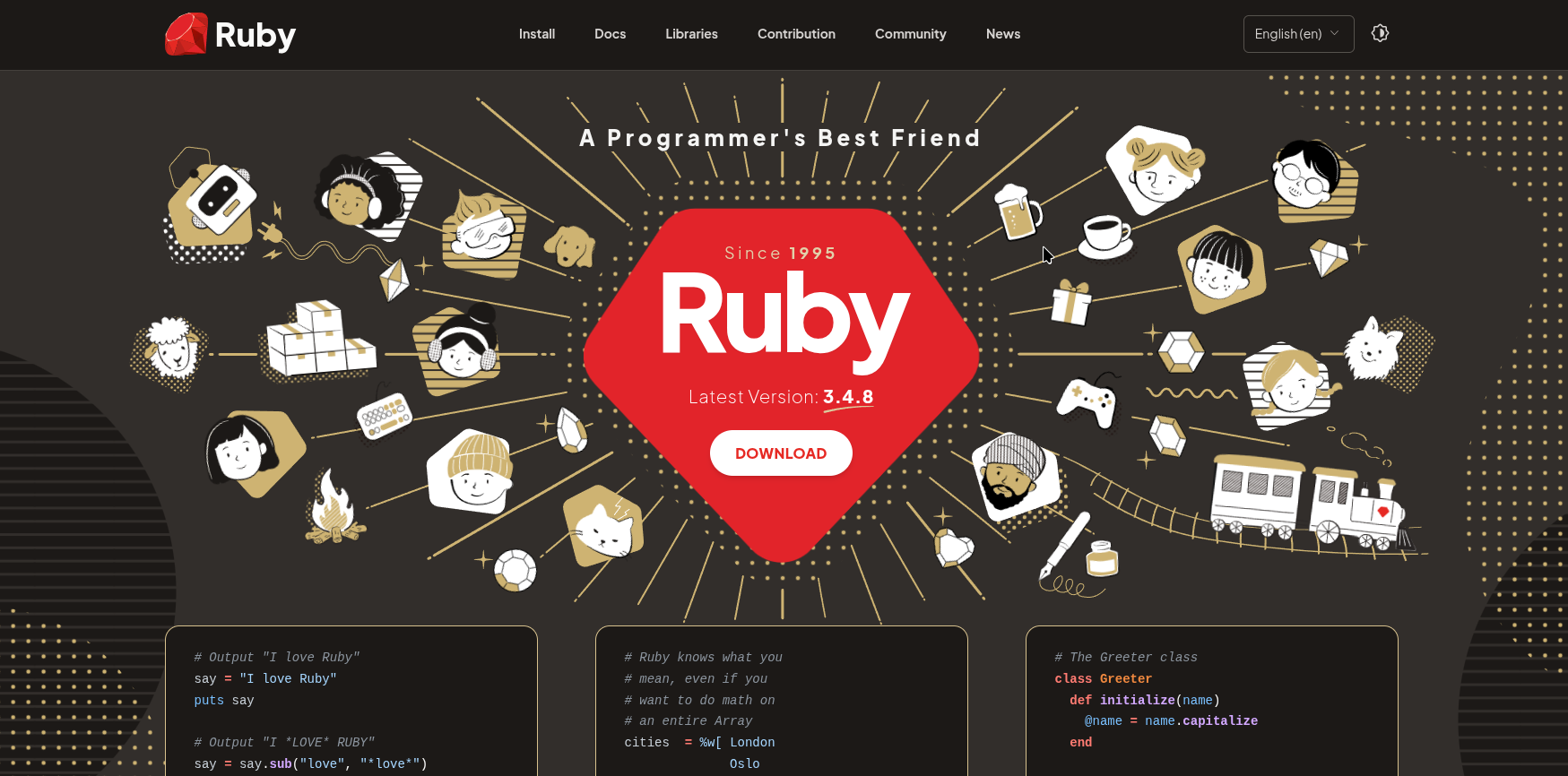
Another meaningful change this year was the redesign of the official Ruby website:
- Main site: https://www.ruby-lang.org/en/
- Redesign announcement: https://www.ruby-lang.org/en/news/2025/12/22/redesign-site-identity/
The new design highlights sections more clearly and includes genuinely inspiring text. It feels intentional, calm, and human—very much aligned with Ruby’s philosophy. It is not just a visual refresh; it is a reaffirmation of identity.
And for newcomers, the classic invitation is still there:
“Got 30 minutes? Give Ruby a shot right now!” 👉 https://try.ruby-lang.org/
Thirty years later, Ruby still welcomes you the same way.
The Heart of the Keynote: Community Born from Error
Among all the themes Matz explored in his keynote, one stood out above the rest:
The Ruby community was born from mistakes, not from perfection.
When Ruby was first released publicly in 1995, it was far from stable. The earliest interactions were simple emails: congratulations, compile errors, patches, more errors. From a product standpoint, this looks like an unfinished release. From a community standpoint, it was an invitation.
Because Ruby was imperfect:
- People felt comfortable pointing out problems.
- Contributors felt empowered to fix them.
- The boundary between “user” and “developer” disappeared.
Matz made it clear that his own mistakes played a role in shaping the community. Those imperfections created space for collaboration. Ruby did not present itself as a flawless tool—it presented itself as a shared work in progress.
That is a powerful lesson, especially today.
Why This Matters in the Era of Ruby 4
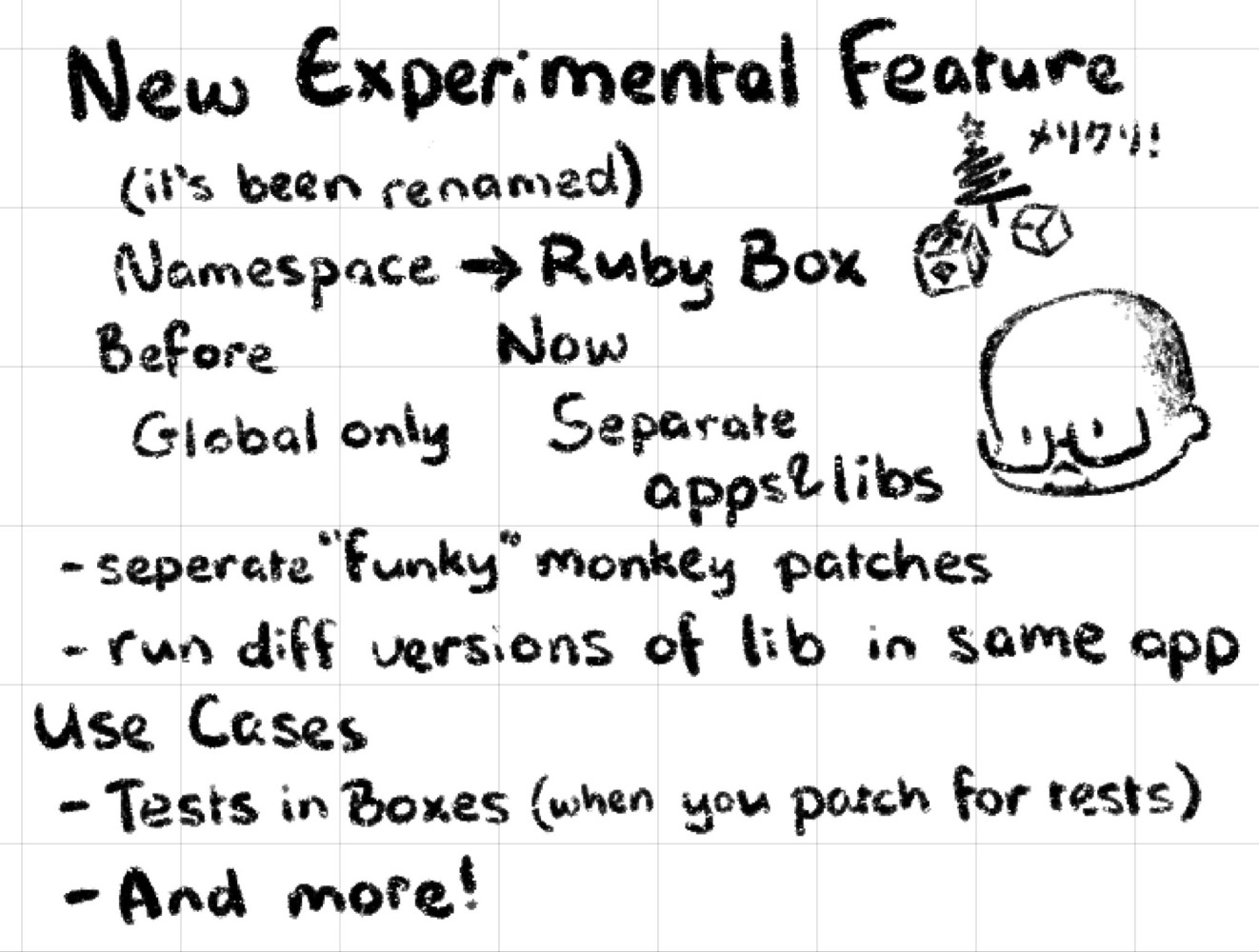
In a year marked by technical progress—such as the Ruby 4.0.0-preview3 release, introducing Ruby::Box and ZJIT, and the continued advance of PicoRuby—this philosophical foundation becomes even more relevant:
👉 https://www.ruby-lang.org/en/news/2025/12/18/ruby-4-0-0-preview3-released/
Ruby continues to evolve, but it does so without abandoning its core values. Performance improvements, new execution models, and experimentation coexist with an emphasis on human-centered design and open discussion.
Ruby does not aim to be perfect. It aims to be alive.
Closing Reflection
What the Ruby Release 30th Anniversary Party ultimately highlighted is that Ruby’s greatest strength is not a feature, a framework, or a benchmark. It is a culture that understands something deeply human:
Progress starts when we admit things are not finished yet.
Thirty years in, Ruby continues to invite participation, curiosity, and care. That is why it keeps generating conversations, redesigning itself, and earning the time and attention of new generations of developers.
Ruby is not just a language with a past. It is a language that still makes room for the future.

 Linking Ruby knowledge from the most remote places in the world.